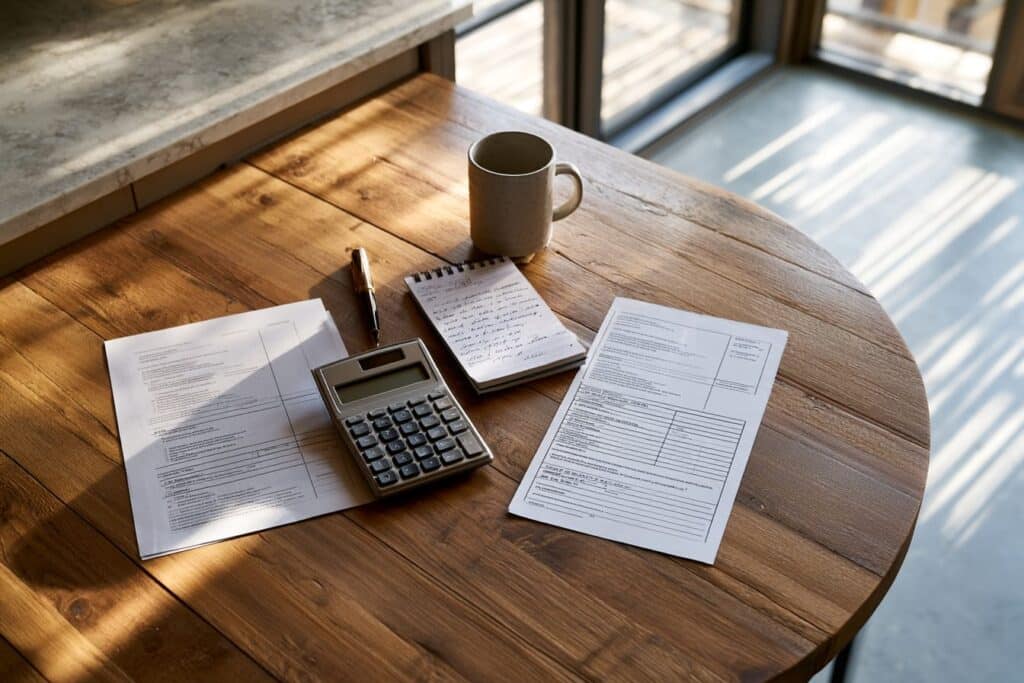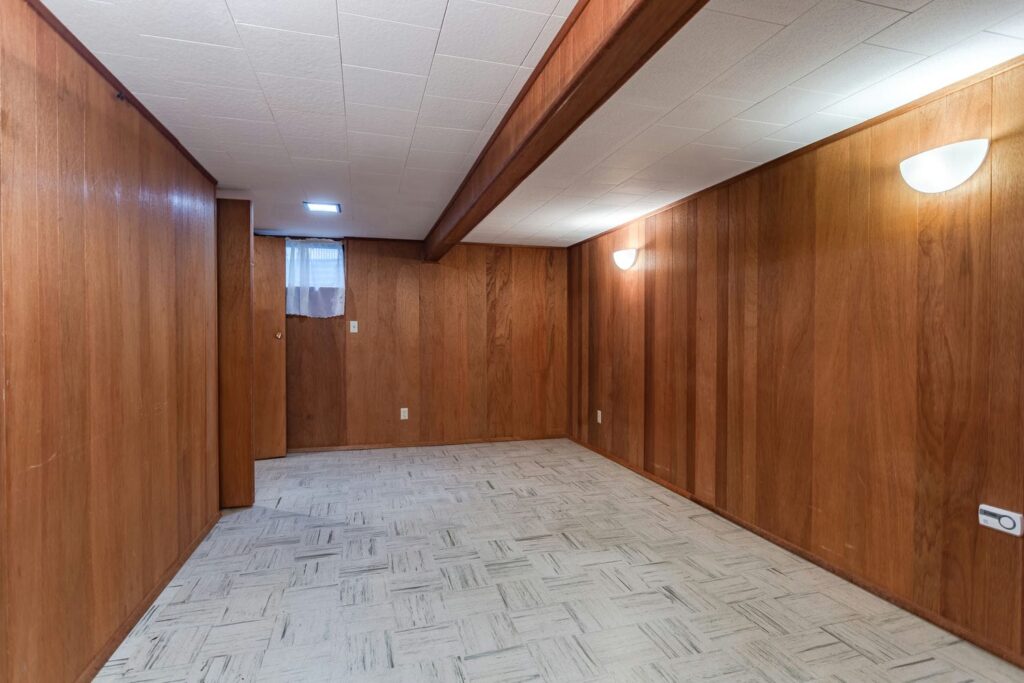
10 Proven Strategies to Future-Proof Your Newmarket Basement Renovation Budget

Renovating a basement in Newmarket often risks budget overruns without precise strategies, yet homeowners can save thousands by following proven cost-control methods that also safeguard against future expenses. In this guide, you’ll discover ten actionable approaches—ranging from detailed planning and contingency allocation to smart material choices, design optimizations, and permit management—to answer “How can I avoid budget overruns and future costs in my Newmarket basement renovation?”.
You’ll learn step-by-step scope definition, the importance of waterproofing and insulation for long-term savings, cost-effective finishes, layout efficiencies, contractor vetting tactics, and early permit acquisition.
This roadmap establishes a clear path for homeowners to manage finances, maintain quality, and complete a basement transformation on schedule, within budget, and with an eye toward future cost avoidance.
How Can Detailed Planning Help Avoid Budget Overruns and Future Costs in Your Newmarket Basement Renovation?
Detailed planning creates a financial blueprint by defining project scope, establishing cost estimates, and allocating resources, which prevents unwelcome surprises and keeps spending on track. Effective budget allocation balances design ambitions with realistic cost projections and ties every expense to a specific task. For homeowners, a structured plan builds confidence and reduces stress, while also identifying opportunities for future cost savings.
1. Define Your Renovation Scope Clearly
Before work begins, map out every element of your basement renovation—from framing and electrical to finishes and fixtures—to assign accurate costs and deadlines. This clarity helps in making informed decisions that can prevent costly changes or upgrades down the line.
- Draft a room-by-room layout with dimensions and functions.
- Itemize structural changes, plumbing, wiring, and insulation separately.
- Prioritize must-have features (bathroom, bar, rental suite) over optional upgrades that might be more costly to maintain or alter later.
Setting clear scope criteria ensures you only pay for what you need, and it streamlines contractor quotes for apples-to-apples comparisons, setting a solid foundation for budget adherence.
2. Allocate a Contingency Fund for Unexpected Costs
Industry experts recommend reserving 10–15 percent of your total budget as a contingency fund to accommodate hidden issues like structural repairs or moisture remediation. Reserving this buffer prevents funding gaps and project delays, delivering peace of mind when unforeseen conditions arise and avoiding the need for emergency spending later.
Contingency Funds in Construction
Industry standards often recommend allocating a contingency fund to cover unexpected costs during construction projects. This buffer helps to mitigate risks associated with unforeseen issues, such as hidden structural problems or the need for additional repairs, ensuring the project stays on track and preventing future budget blowouts.
Construction Management Association of America, “Construction Management Standards of Practice” (2022)
This research supports the article’s recommendation to allocate a contingency fund to manage potential risks in a basement renovation, thereby future-proofing the budget.
3. Prioritize Waterproofing and Structural Integrity for Budget Control
Waterproofing and reinforcing the foundation address moisture issues and structural vulnerabilities before interior finishes, eliminating the risk of costly callbacks or remedial work. Protecting the envelope of your basement sustains its longevity and safeguards every subsequent investment in flooring, cabinets, and electronics, preventing expensive water damage repairs in the future.
How Does Waterproofing Prevent Expensive Moisture Problems?
Professional membrane application, drainage systems, and vapor barriers block water ingress and mold formation by diverting groundwater away from walls and floors. This proactive approach prevents future mold remediation, drywall replacement, and structural damage, saving significant costs over time.
- Seal cracks and joints with polymeric sealants.
- Install interior perimeter drains connected to a sump pump.
- Add a vapor barrier beneath concrete slab renovations.
Mitigating moisture at the outset averts future drywall replacements, mold remediation, and compromised insulation costs.
4. Choose Insulation That Balances Cost and Energy Efficiency
Selecting closed-cell spray foam or rigid foam board insulation offers high R-values per inch at moderate price points. Proper insulation not only reduces immediate installation costs but also leads to significant long-term savings on energy bills, future-proofing your home’s efficiency.
- Closed-cell spray foam adheres to irregular surfaces, reducing air leaks and improving thermal performance.
- Rigid foam board allows staged installation with existing wall frames, offering flexibility.
- Mineral wool batts deliver fire resistance and sound dampening under drywall, adding value and safety.
Investing in optimal insulation yields lower heating bills and preserves your budget by avoiding mid-project upgrades or the higher energy costs associated with inadequate insulation.
5. Make Smart Material Selections to Save Money Without Sacrificing Quality

Choosing materials that combine durability, low maintenance, and competitive pricing prevents overspending on trendy finishes that degrade quickly. Value-focused selections ensure your Newmarket basement withstands daily use while remaining cost-efficient over its service life, minimizing future replacement or repair expenses.
Material Selection and Cost Efficiency
Choosing durable and cost-effective materials is crucial for managing renovation budgets. Materials like luxury vinyl plank and engineered hardwood offer a balance of aesthetic appeal, durability, and lower maintenance costs, which can lead to long-term savings compared to more expensive or less resilient options.
Consumer Reports, “Home Improvement: Flooring Guide” (2023)
This citation reinforces the article’s advice on selecting materials that provide value and longevity in a basement renovation, contributing to future budget stability.
These options deliver professional results at mid-range prices, supporting both aesthetic goals and budget targets while offering long-term value.
6. Select Durable and Budget-Friendly Flooring Options for Newmarket Basements
Homeowners often select vinyl plank, engineered wood, or ceramic tile for their water-resistant properties and long lifespans. Each option offers specific benefits that contribute to long-term cost savings: vinyl plank installs quickly and is highly durable, engineered wood adds warmth without the susceptibility to swelling like solid hardwood, and tile provides a hardwearing surface ideal for high-traffic zones, reducing the need for frequent replacements.
7. Choose Finishes That Offer Value Over Luxury
Focusing on mid-tier fixtures—such as quartz-composite countertops, semi-custom cabinetry, and matte-finish hardware—balances style with price. These finishes deliver modern appeal without the premium markups associated with bespoke materials, offering a cost-effective way to achieve a high-quality look that endures.
8. Implement Design Strategies to Reduce Costs in Your Basement Renovation
Design choices like open-concept layouts and multipurpose spaces eliminate unnecessary framing, trim, and doors, translating into labor and material savings. Efficient floor plans also maximize usable square footage, increasing functionality without extra square-foot costs, and can be more adaptable to future needs, reducing the likelihood of costly renovations later.
How Does Embracing Open-Concept Design Lower Construction Expenses?
Removing non-load-bearing partitions reduces framing lumber, drywall, paint, and finishing materials. Open layouts also streamline electrical and lighting runs, cutting labor hours and simplifying HVAC distribution, leading to immediate cost savings and easier future modifications.
What Are the Benefits of Multi-Functional Basement Spaces?
Combining living, office, and entertainment zones in a single area avoids duplicated installations, such as separate lighting circuits or extra plumbing fixtures, while enhancing everyday usability and potential rental income. This flexibility can also reduce the need for future additions or renovations as needs change.
9. Manage Contractors Effectively to Stay Within Budget
Selecting reliable tradespeople prevents scope creep and cost escalations. Clear communication forms the backbone of an on-budget renovation and helps ensure that all work is completed to a standard that avoids future issues.
What Questions Should You Ask When Hiring a Basement Renovation Contractor in Newmarket?
When hiring a basement renovation contractor in Newmarket, it’s crucial to ask the right questions to ensure your project runs smoothly and meets your expectations. Start by inquiring about the contractor’s experience and previous projects. A reputable contractor should be happy to provide references and examples of similar renovations they’ve completed. This not only gives you insight into their workmanship but also allows you to gauge their understanding of local building codes and regulations, which is essential for a successful renovation and avoiding future compliance issues. Additionally, discussing their approach to project management will give you an understanding of how they plan to communicate during the renovation and keep you informed of progress and any potential challenges.
Another vital aspect to consider is the budget and timeline. Be upfront about your financial expectations and ask for a detailed estimate that breaks down costs, including materials and labour. Clarify how the contractor handles unexpected expenses, as these can often arise during basement renovations. Furthermore, discuss the projected timeline and what factors might impact the completion date. Understanding these elements not only helps you prepare for the renovation but also establishes a transparent relationship with your contractor, minimizing the risk of budget overruns and future disputes.
Vet candidates on credentials, insurance, and past performance by asking:
- Can you provide references for similar budget-focused projects?
- How do you handle unexpected site conditions and what is your process for change orders?
- Will you supply a detailed fixed-price contract with payment milestones and warranty information?
These queries ensure transparency and align contractor incentives with your financial plan, helping to future-proof your investment. For more questions to ask before you hire, check out our guide to hiring the right basement renovation contractor.
10. Obtain Permits Early to Avoid Budget Overruns
Securing municipal approvals—such as a Zoning Preliminary Review and building permit—before construction eliminates stop-work orders and redesign fees. Early permit acquisition ensures compliance with regulations, preventing costly fines or mandatory rework that could derail your budget and timeline.
Yorkland Homes’ proven methods and customer-first approach have kept dozens of projects on schedule and under budget. Explore the Yorkland Homes portfolio to see real-world examples of cost-effective and future-proofed basement transformations.
Renovating your Newmarket basement on budget starts with informed decisions and expert guidance. Contact Yorkland Homes for a complimentary consultation and discover how our craftsmanship, planning rigor, and reliable permit management can deliver your dream basement without breaking the bank, ensuring a sound investment for years to come.
Check out more posts below...
What Newmarket Basement Apartments Rent For and What Drives the Rate
Can You Put a Kitchen in Your Basement? Ontario Rules Explained
Basement Backwater Valve Flood Prevention: What It Really Costs in the GTA

In-Law Suite Vs. Legal Rental In Newmarket: Which Fits?