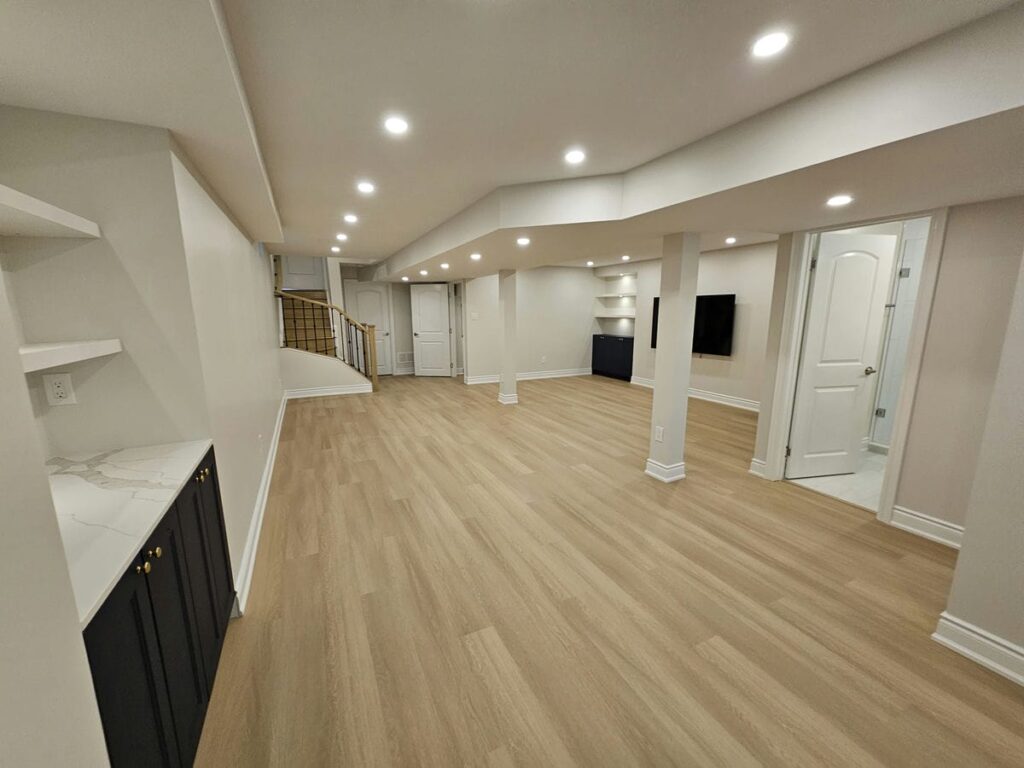
Why Older Newmarket Basements Often Need Underpinning
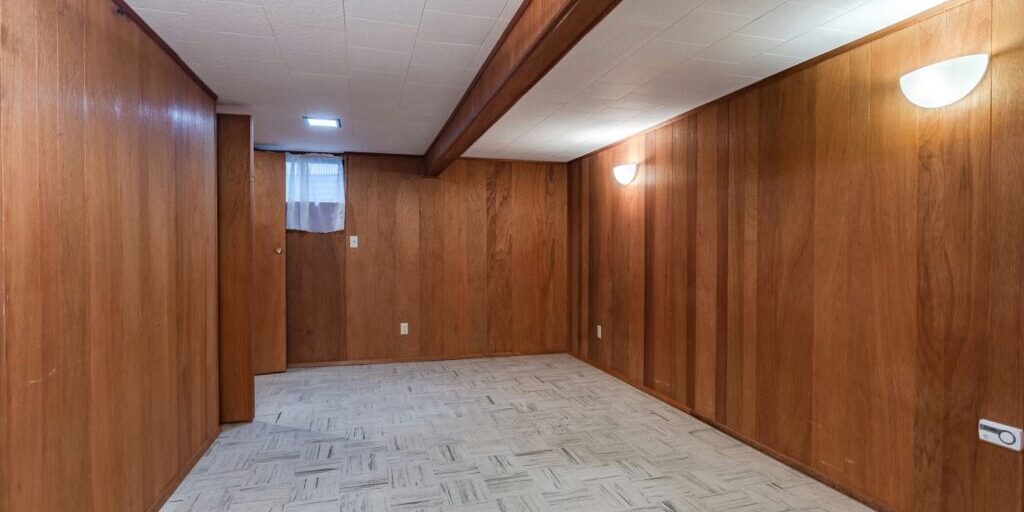
Older Newmarket basements often need underpinning when the existing foundation and floor height were never designed for today’s finished-basement expectations. A basement built for storage, laundry, and mechanical equipment can become difficult to finish when you need comfortable ceiling height, safe stairs, drainage room, insulation depth, HVAC routes, or a registerable suite. If you are planning a basement renovation in Newmarket, decide whether the existing height and structure can support your goal before you price flooring, drywall, or a suite layout.
Underpinning is not cosmetic. It changes the structure below your house. That means the decision should be assessed by the right professionals and coordinated with permits, drawings, inspections, schedule, and budget before anyone starts digging.
Bottom line: underpinning can unlock a better basement, but it is not a shortcut.
What Basement Underpinning Actually Solves

Underpinning is mainly about structure and usable height. It is not ordinary basement finishing, and it should not be treated like a line item beside flooring or paint.
For older homes, the question is not “Can we make the basement look nicer?” The better question is “Can this basement safely support the space we want after the floor, ceiling, insulation, systems, and layout are added?”
What Basement Underpinning Means
Basement underpinning is a structural method used to deepen or strengthen an existing foundation so the basement floor can be lowered safely.
That definition matters because underpinning is not just digging down. It is structural work under an existing house, and the design must protect the load path of the home.
What Underpinning Can Help With
Underpinning can help when the whole basement feels too low, not just one awkward corner. It can also support a renovation goal where the existing floor level blocks a practical layout.
Underpinning may be worth exploring when you are dealing with:
- Low ceiling height that makes the basement feel cramped
- Ducts, beams, or pipes that reduce usable headroom
- Suite or bedroom plans that need better layout and egress planning
- Drainage, plumbing, or floor assembly needs that add height
- A long-term renovation goal that justifies structural work
The key is intent. If the basement will become a serious living space, home office, gym, suite, or long-term family room, the payoff may justify the assessment.
What Underpinning Does Not Automatically Fix
Here’s the catch: underpinning does not automatically solve moisture, drainage, HVAC, fire separation, electrical, layout, or suite registration problems. It can create a better starting point, but it does not replace the full renovation plan.
A lower basement that still has poor drainage, bad air movement, weak lighting, or a flawed suite layout is still a weak basement. Underpinning gives you room to rebuild properly. It does not do the rebuilding for you.
That is why the right question is broader than height. You need to ask whether underpinning supports the whole scope.
Why Older Newmarket Basements Run Into Height Problems

Older basements often fail the “real living space” test because they were not built for that job. They were built to hold mechanical equipment, storage, laundry, and seasonal clutter.
That difference matters once you add finished assemblies. A basement that feels tolerable when it is unfinished can feel tight once it is insulated, drywalled, lit, and furnished.
Many Older Basements Were Built As Utility Space
Many older Newmarket basements were planned around function, not comfort. Low ceilings, exposed ducts, uneven floors, and mechanical runs were acceptable because nobody expected the space to feel like a main-floor room.
A storage basement can survive with low headroom. A family room, office, bedroom, gym, or suite cannot hide the same limitations as easily.
So the issue is not age by itself. It is the gap between the original purpose and your new goal.
Finished Assemblies Eat Into Headroom
A finished basement does not start at the existing slab and exposed ceiling. Flooring, subfloor, slab repairs, insulation, drywall, lighting, and ceiling board all take space.
This is where homeowners get surprised. The basement looks close to usable before work starts, then every proper assembly steals another fraction of height.
If the existing basement already feels “barely okay,” the finished version may feel compromised unless the floor level, ceiling plan, or mechanical routing changes.
Ducts, Beams, And Stair Geometry Often Expose The Problem
Basement comfort is not measured only in the open middle of the room. The pinch points matter more: low ducts, beams, stair landings, door openings, bathroom ceilings, and hallway routes.
Newmarket’s ARU guide asks for headroom height under low-lying parts in unit drawings, such as ductwork, which is a good reminder that headroom is not just judged by eye. It needs to be shown in the plan when the project becomes a regulated suite or ARU path.
If the worst pinch point ruins the space, the best open area does not save it.
Underpinning, Bench Footing, Or Working With Existing Height

Underpinning is one option. It is not the default answer for every older basement.
A good assessment compares the goal against the house you have. Sometimes the right path is underpinning. Sometimes it is bench footing. Sometimes it is smarter design without lowering the floor.
Underpinning Is The Structural Lowering Option
Underpinning is usually considered when the homeowner wants meaningful height gain and the existing foundation needs to be extended or reinforced to support the lower floor level.
It is also usually the more invasive path. That does not make it wrong. It means the payoff should be clear.
If the basement will become high-value living space or a serious suite plan, the scope may make sense. If the goal is light storage and a TV area, structural lowering may be too much project for the return.
Bench Footing Can Preserve Support But Costs Floor Area
Bench footing is a different approach. At a high level, it can allow some lowering while preserving support beside the existing foundation, but it creates an interior ledge or “bench” around the walls.
That trade-off matters. Bench footing may reduce certain structural complications, but it can steal floor area, interrupt furniture placement, complicate storage, and make bedrooms or suite layouts harder.
A bench may be acceptable in a storage zone. It may be frustrating in a narrow living room.
Sometimes The Smart Move Is Not Lowering At All
Not every low basement should be lowered. If the intended use can work with the existing height, the smarter investment may be better lighting, tighter bulkhead planning, selective duct redesign, lower-profile ceiling details, or a layout that avoids the weakest areas.
This is where a candid contractor should challenge you. If underpinning does not meaningfully improve the end use, it may only make the renovation more expensive.
A good renovation protects your money, not just your wish list.
Red Flags To Check Before You Consider Basement Lowering

Before you consider underpinning, slow down and inspect the basement as a system. Height is only one part of the decision.
Cracks, water, soil, utilities, and adjacent structures can all change the risk. The earlier you find those constraints, the less likely they are to become expensive surprises.
Foundation Cracks, Moisture, Or Settlement Clues
Look for foundation cracks, damp corners, efflorescence, bowing, uneven floors, repeated water staining, or musty smells after rain. These clues need assessment before you price a floor-lowering plan.
Lowering the basement floor does not erase foundation or moisture problems. It can make them more expensive to ignore.
If the foundation is already telling you something, listen before you dig.
Adjacent Structures, Property Lines, And Soil Conditions
Underpinning can interact with soil behaviour, neighbouring structures, property lines, and excavation safety. This is where engineering and permit review matter.
Toronto’s residential underpinning guide is not Newmarket’s checklist, but it shows the level of detail municipalities may expect on underpinning applications. It asks for foundation details, proposed underpinning locations and sequencing, floor-to-floor and floor-to-ceiling heights, underpinning depth, and notes professional design and field review in specific conditions.
The lesson is simple. Basement lowering is not a “measure once and dig” decision.
Utilities And Excavation Planning
Basement lowering can conflict with buried utilities, drains, sanitary lines, sump systems, gas lines, electrical routes, and mechanical equipment. These are not small details. They can change the sequence and the budget.
Newmarket’s ARU guide tells homeowners to contact local utilities like hydro, gas, and telephone before work starts to determine nearby underground service locations. That guidance is especially relevant when excavation or exterior work is part of the plan.
Do not let excavation become the investigation.
Permits, Engineering, And Inspections In Newmarket

Underpinning should be treated as structural work. That means it belongs in the permit and drawing conversation early.
This section is not legal or engineering advice. It is a practical warning: if the basement lowering changes structure, excavation, drainage, stairs, or a future suite, do not assume a simple finish permit covers the whole scope.
Underpinning Should Be Treated As Structural Work
Newmarket says most renovation, alteration, construction, and demolition projects require a building permit before work starts. The Town’s list of permit-triggering work includes any structural alterations, finishing a basement, below-grade entrances or basement walkouts, and creating an ARU.
That language matters for underpinning. You are not just upgrading finishes. You are affecting how the home is supported.
The local Newmarket basement renovation permit requirements are worth confirming before you commit to underpinning drawings or construction.
Drawings Need To Show More Than A New Floor Level
Underpinning plans need to show the existing and proposed conditions clearly. That can include site plans, floor plans, sections, structural information, headroom, stairs, drainage, and any new openings or walkout work.
Newmarket’s building page says permit drawings should be accurate, to scale, and describe the proposed construction, and it notes typical drawings can include site plans, floor plans, elevations, cross sections, and details.
For ARU projects, Newmarket’s guide also asks for existing and proposed floor plans, structural framing information, stairs, openings, sections, headroom under low-lying parts, and mechanical drawings in some circumstances.
Inspections Must Be Built Into The Schedule
Underpinning and basement lowering can affect inspection timing. Depending on scope, you may be dealing with excavation or footing review, drainage, structural framing, mechanical rough-in, insulation, fire separations, and final inspection.
Newmarket’s ARU guide lists typical inspections for an ARU permit, including excavation or footings, inside drains, structural framing, mechanical rough-in, insulation, fire separations, and final inspection. It also says required inspection stages will be noted on the building permit documents and that the permit holder, owner, and contractor are responsible for completing and passing them.
The practical rule is blunt: do not cover work before the required inspection stage is done.
If The Goal Is A Basement Suite, Underpinning Is Only One Part Of The Plan

Basement suites expose height problems quickly. A suite needs real rooms, safe routes, systems, storage, and code-conscious details. Low headroom makes all of that harder.
However, underpinning alone does not create a legal or registered suite. It only addresses one piece of the build.
A Suite Needs More Than Ceiling Height
A basement suite needs safe layout, fire separation, egress, plumbing, HVAC, electrical review, parking, permits, and registration. Height matters, but it is not the whole approval path.
Newmarket’s ARU guide says ARUs are permitted subject to zoning requirements and restrictions, including a building permit. It also defines an ARU as a separate dwelling unit with food preparation and sanitary facilities for the exclusive use of the unit’s occupants.
So if your suite plan depends on underpinning, treat underpinning as one design input, not the final answer.
Underpinning Can Help The Suite Layout, But It Does Not Legalize It
Lowering the basement can make a suite more comfortable and workable. It may improve ceiling height, stairs, bathroom planning, and the overall feel of the unit.
But lowering the floor does not automatically make the suite legal, safe, or registered. You still need the rest of the path.
If the long-term plan is rental income or a second unit, review Newmarket basement suite registration before you decide whether underpinning is worth the scope.
Exterior Entrances And Walkouts Add Another Layer
If underpinning is paired with a walkout, new exterior stair, new entrance, or visible exterior change, zoning and permit review become more important. The project is no longer contained inside the basement.
Newmarket’s building page lists below-grade entrances or basement walkouts among work that may require a permit. It also notes that Zoning Preliminary Review is required before building permit submission for ARU, addition, demolition, deck, shed, pavilion, gazebo, and new construction applications.
For projects involving exterior changes, parking, or suite planning, start with the Newmarket Zoning Preliminary Review process before locking the design.
What Underpinning Actually Adds To Cost And Timeline
Underpinning affects cost because it changes the structure, sequence, and risk profile of the project. The cost is not only concrete.
The real budget question is this: what has to happen before the basement can be safely rebuilt? That answer drives the number more than finishes do.
The Main Cost Drivers
The main cost drivers include engineering, permit drawings, excavation, soil removal, foundation work, drainage, waterproofing, plumbing changes, slab replacement, stair adjustments, inspections, and schedule complexity.
Some projects also trigger design revisions, utility coordination, mechanical changes, or suite-related upgrades. None of these should be treated as surprises if the scope is planned honestly.
The cost of underpinning is the coordination of structural work under an existing house.
Underpinning Decision Factors Before You Budget
Use this table before comparing quotes. It helps separate a true underpinning need from a design or mechanical problem.
| Basement Issue | What It May Indicate | Does It Point To Underpinning? | What To Check First |
| Low Ceiling Height Across Most Of Basement | Existing basement was not built for finished living space | Maybe | Measure true finished height after floor and ceiling assemblies |
| Low Ducts Or Beams Only In Certain Areas | Mechanical routing or structural drops are the main issue | Not always | Review duct rerouting, bulkhead planning, and room layout |
| Planned Basement Suite | More comfort, layout, and compliance pressure | Possibly | Confirm zoning, permits, egress, parking, and registration path |
| Cracks Or Water Stains | Foundation or drainage issue | Not until assessed | Investigate moisture and structural condition first |
| Desire For Walkout Or Separate Entrance | Exterior and grade changes may be involved | Depends | Confirm zoning, grading, drainage, and permit requirements |
| Tight Budget | Structural work may strain the plan | Maybe not | Compare finish-only, benching, phasing, and scope reduction options |
Do not use this table as an engineering decision. Use it as a planning filter before you invest in drawings and pricing.
Change Orders Are Where Weak Planning Hurts
Underpinning projects become risky when the original quote ignores engineering, permit revisions, drainage surprises, utility conflicts, inspection timing, or structural assumptions.
A weak quote may look attractive because the risk is missing. That does not make the risk disappear. It only moves the argument to the middle of the job.
Before comparing quotes, use Newmarket basement renovation budget strategies to understand how assumptions and change orders should be handled.
Stop / Go Checklist Before You Decide On Underpinning

The right underpinning decision starts with measurement, purpose, and risk. Do not start with the contractor who promises the fastest dig.
Use this checklist to decide whether to explore underpinning seriously, pause for assessment, or choose a less invasive design path.
Step-By-Step Checklist
Before you decide, work through these steps:
- Measure existing clear height in several areas, not just the open middle of the room.
- Estimate finished height after flooring, ceiling, insulation, and lighting are added.
- Identify ducts, beams, stairs, drains, and mechanical items that reduce usable space.
- Confirm the intended use: family room, gym, office, bedroom, suite, or rental unit.
- Check for foundation cracks, water staining, efflorescence, settlement, or bowing.
- Ask whether bench footing, duct rerouting, or design changes could solve the problem.
- Confirm whether structural drawings, engineering review, permits, and inspections are required.
- Price the full sequence, not just the digging.
This is not meant to slow you down. It is meant to stop you from spending money in the wrong order.
When The Answer Is “Go”
Underpinning may be worth exploring when the basement has strong long-term value and the existing height blocks the intended use. It can make sense when the alternative is a finished basement that still feels like a compromise.
The “go” answer also requires budget honesty. You need room for engineering, permits, inspections, schedule, and coordination.
If the structure is sound, the moisture plan is clear, and the use case is strong, underpinning can be a serious path.
When The Answer Is “Pause”
Pause when there are unresolved water issues, unclear foundation conditions, tight property constraints, unknown utility conflicts, or a budget that only covers finishes.
A pause is not a failure. It is the responsible move when the basement has not been fully understood yet.
Sometimes the better renovation is a smarter finish within the existing height. Sometimes it is underpinning. The assessment tells you which.
Common Mistakes To Avoid With Newmarket Basement Underpinning
Most underpinning mistakes happen before construction. They happen in the assumptions.
The wrong sequence creates the wrong budget, the wrong drawings, and the wrong expectations. Fix that first.
Starting With The Finish Plan Instead Of The Structure
Homeowners often start with flooring, pot lights, wet bars, gyms, and suite layouts before confirming whether the basement can physically support the plan.
That order feels fun, but it is backwards. Structure comes first. Then systems. Then finishes.
A beautiful rendering does not solve low headroom, foundation risk, or permit scope.
Assuming Underpinning Automatically Creates A Legal Suite
Underpinning may help the basement feel more livable, but suite registration depends on zoning, permits, inspections, safety systems, parking, and documentation.
This is the mistake to avoid: “If we dig down, it becomes legal.” No. If you want a registerable suite, the full suite path still applies.
Underpinning can support the plan. It does not replace the plan.
Treating Headroom As One Measurement
Headroom changes across the basement. Stairs, ducts, beams, bathrooms, bedrooms, and hallways can all create different pinch points.
The usable height is not the best measurement in the room. It is often the worst route someone has to use.
Measure the basement like someone will live there, not like someone will stand in the tallest corner.
Comparing Quotes Without Scope Assumptions
Underpinning quotes are only comparable when they include the same assumptions. That means engineering, permit drawings, drainage, slab, waterproofing, inspections, utility coordination, stairs, and finishing scope.
The cheapest number can be the weakest plan if major risk is missing. A complete quote may look higher because it is carrying the real scope.
Ask what is included. Ask what is excluded. Ask what happens when the basement proves an assumption wrong.
Plan The Structure Before You Plan The Finishes
A good Newmarket basement renovation starts by deciding whether the existing structure can support the space you want. Yorkland Homes helps homeowners plan the sequence before finishes take over: structure, permits, systems, inspections, and then the visible work. We use a transparent pricing contract model, a detailed and meticulously planned build schedule, and the discipline that comes from being a family owned business since 2010. Ask us about our on-time money back guarantee and Limited Liability Insurance. If you are weighing whether to lower the floor or work with the height you have, our team can assess the right path for your finished basement in Newmarket.
Frequently Asked Questions
No. Some older basements can be finished without lowering the floor. Underpinning becomes worth exploring when the existing height, structure, stairs, or intended use makes a normal finish feel compromised. If the basement can meet your goal with smarter ceiling planning, duct changes, or a simpler layout, underpinning may not be the best investment.
Underpinning deepens or strengthens the foundation so the basement floor can be lowered. Bench footing can allow some floor lowering while creating a ledge along the wall. The right choice depends on the structure, layout, soil, budget, and professional review. It should not be chosen because it sounds cheaper in conversation.
Underpinning should be treated as permit-triggering structural work. Newmarket lists any structural alterations, finishing a basement, below-grade entrances, and ARUs among work that may require permits. Confirm your specific scope with Newmarket Building Services before starting. If the project also involves a suite or walkout, the permit and zoning path can become more layered.
It can help if the suite needs better height or a more workable layout, but underpinning alone does not make a suite legal or registered. You still need zoning, permits, inspections, safety requirements, ESA documentation where applicable, parking, and registration. Start with the suite path before deciding whether floor lowering is worth it.
The possible height gain depends on the existing foundation, soil, drainage, structure, stairs, and design. Do not rely on a generic number. A designer or structural professional needs to assess the home, the proposed finished height, and the safest path to achieve it.
Not always. If only a few ducts or beams create the problem, duct rerouting, bulkhead redesign, or layout changes may be more practical. If the entire basement is too low, underpinning may be worth assessing. The answer depends on whether the height problem is local or structural.
A qualified structural professional should assess and design the structural approach. A basement contractor can coordinate the renovation plan, but structural lowering should not be handled by guesswork. If anyone treats underpinning like ordinary excavation, slow down. That is not the right level of care.
Check out more posts below...
What Newmarket Basement Apartments Rent For and What Drives the Rate
Can You Put a Kitchen in Your Basement? Ontario Rules Explained
Basement Backwater Valve Flood Prevention: What It Really Costs in the GTA
In-Law Suite Vs. Legal Rental In Newmarket: Which Fits?