
Behind The Walls Of A Newmarket Basement Renovation
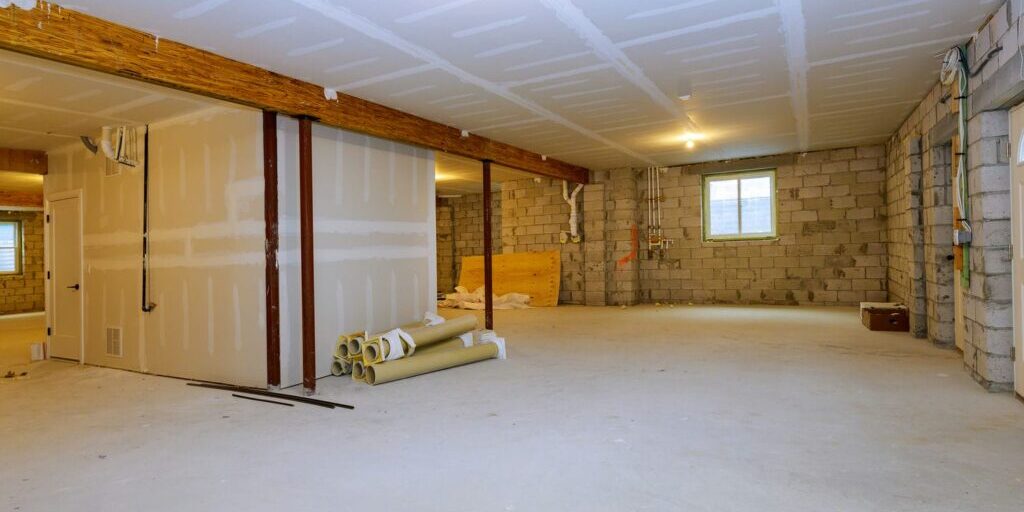
Last fall, we walked into an older Newmarket home for a basement renovation consultation. The owners, a family of four, wanted what most families want: a real rec room, a legal fourth bedroom with proper egress, a home office, and a mechanical area that did not feel like an afterthought. Their basement had been finished by a previous owner in the late 1980s, and on first look, it seemed reasonable. By the end of demo week, three surprises behind the walls had reshaped the scope, the schedule, and the contract.
This is what actually happened on that project, what each surprise changed, and how we kept the build on track. If you are planning basement renovation services for an older home, the lessons here matter more than any photo gallery. Older basements punish wishful design and reward disciplined discovery. The cost difference between those two approaches is usually larger than any finish upgrade.
The Walk-Through Before The Quote

It was late August. The home was a 1980s sidesplit in an established Newmarket neighbourhood. The basement had wood paneling, a drop ceiling, peel-and-stick floor tile in the laundry room, and a furnace area boxed in with built-in shelving. Cosmetically tired but not dramatic.
We never quote an older basement off a cosmetic walk-through alone. Three things in particular got flagged that afternoon, before we wrote a single number.
The Corner That Smelled Wrong
Walking the perimeter, the northwest corner had a faint musty note that did not match the rest of the room. The ceiling tile above it carried a faint shadow that the homeowners had assumed was age. The baseboard at the corner gave slightly when pressed.
We told the owners we would not finalize a quote without selectively opening that corner. They agreed.
The Mechanical Room That Fought The Layout
The owners wanted to extend a storage wall over the existing furnace area. Built-in shelving from the previous owner already ran tight to the water heater and partially blocked the electrical panel.
Whatever the new design looked like, mechanical room do’s and don’ts for finished basements were going to control what could be walled in and what had to stay reachable. We told the owners we would need a serviceability review before locking the layout.
The Flooring Of Unknown Age
The laundry room had nine-inch peel-and-stick floor tile of the kind common in early-to-mid 1980s homes. Without testing, we could not visually rule out asbestos in the adhesive. New flooring meant disturbing the old, and disturbance is the trigger for any safety conversation.
Why Selective Opening Saves Money
A walk-through is for clues. Selective opening is for confirmation. Half a day of careful demolition before the contract is signed turns a guess into a known quantity. The cost of opening a few square feet of wall is far smaller than the cost of discovering the same condition mid-build, when trades are scheduled, materials are ordered, and the surprise has nowhere to land except the change-order column.
Day Three Of Demo: The Wall Came Down

Demo started on a Tuesday. By Thursday, the corner was open.
Wet Insulation, A Hairline Crack, And One Downspout Outside
The paneling came off in long sheets. The insulation behind it was damp at the bottom third, with a faint odour of long-term moisture. Once the insulation came out, we found a hairline vertical crack running about eighteen inches up the foundation wall, with a faint mineral deposit trail showing repeated water travel.
Outside, we walked the perimeter with a utility light. The downspout on the northwest corner discharged less than two feet from the foundation. The window well above the affected area was uncovered and partly full of compacted leaf debris from earlier seasons.
The City of Toronto publishes a useful list of basement flooding causes, including foundation cracks, poor grading, weeping tile failure, sump pump issues, overflowing eavestroughs, and downspout problems. The Newmarket house had a textbook combination of three of those. Water had a path in, the foundation had given it a way through, and the wall had been hiding the result for years.
What This Changed In The Scope
We stopped framing prep on that corner. The owners came to site Friday afternoon. Photos, a clear explanation, and three options on the table. They picked the one that fixed the cause, not just the symptom.
The fix was interior epoxy crack injection, replacement of about fourteen feet of damaged bottom plate and the studs sistered to it, fresh closed-cell insulation in the affected bay, an exterior downspout extension to discharge well clear of the foundation, a new window well cover, and minor regrading on that side of the home.
This is the kind of moment where addressing foundation cracks before basement finishing decides whether the renovation is built on a dry wall or a hopeful one. Build over an active leak and you are buying drywall twice.
Why Moisture Has To Win Before The Finishes
Water inside a sealed wall assembly is patient. It feeds mould growth, warps framing, swells baseboards, and stains drywall on a slow schedule. It will degrade what you build over it gradually, then visibly, then expensively. The order of operations on any older basement renovation is the same: identify any moisture path first, remediate it, confirm dry conditions, then move to framing and finishes. Skipping that order does not save time. It moves the cost into a year you did not expect.
The Mechanical Room Re-Plan

Once the moisture path was being remedied, we turned to the mechanical area. The owners’ original sketch had a wall going right where the existing setup said it could not.
The Clearances That Were Not Optional
A walk-through with the HVAC sub-trade confirmed several issues. The proposed wall would have brought combustible material within manufacturer-required clearance of the high-efficiency furnace. The existing built-in shelving had been installed too close to the water heater. The electrical panel sat behind a low storage cabinet that did not meet the working clearance an electrician needs to safely service it.
None of this was the previous owner’s deliberate fault. Older basements often grow their finishes around equipment over years of small projects, and the cumulative result is a layout that quietly stopped working long before anyone touched it again.
The Redesign
Our designer reworked the mechanical area in three days. The new plan moved the storage wall back by about twenty-two inches, shifted the door so the panel had a clear approach, added a properly sized louvered access panel for combustion air, and replaced the old built-in shelving with a free-standing unit that could be moved for service.
The owners lost roughly fourteen square feet of built-in storage in the redesign. They picked up something more important: a basement that an HVAC tech, an electrician, or a plumber can actually work in without dismantling finishes.
Why Service Access Outranks Storage
Every furnace, water heater, panel, sump, and shut-off in your finished basement will be serviced sooner or later. The trades that come back to do that work need real clearance, not symbolic clearance. A storage wall built tight to a water heater might survive five years before a service call exposes the layout problem. By then, drywall, baseboards, and finishes are in the way, and a routine repair becomes a small renovation. Service access first, finishes second is not a slogan. It is what keeps a finished basement out of the rework cycle.
The Laundry Room Tile
The third surprise was the one we had been preparing for since day one. We sent a small adhesive sample from the laundry room to an accredited lab before any disturbance.
The Lab Result
The result came back positive for chrysotile asbestos in the tile mastic. Trace levels by mass, but enough to require Type 1 abatement procedures under Ontario regulations before any disturbance.
Health Canada flags the health risks of asbestos in older buildings and recommends professional testing of suspect materials before any disturbance, and the same agency warns that older lead-based paint in homes from before 1990 carries similar precautions when surfaces are disturbed. The owners were rattled. We walked them through what the result actually meant: handled correctly, by certified specialists, this is a routine procedure, not a crisis.
The Abatement And The Schedule
A licensed abatement contractor handled the laundry room over a Saturday. Containment, controlled removal, HEPA cleaning, air clearance testing, and documented disposal. Our crew did not return to that area until clearance was confirmed in writing.
The cost was a known line item. The schedule cost us about three working days. Both were absorbed inside the change-order framework we had set up at contract signing.
Other Older Finishes Worth Screening
Asbestos in floor tile mastic is one of several pre-1990 materials that warrant testing before disturbance. Older textured ceiling finishes, certain types of vinyl flooring, some pipe and duct insulation wraps, drywall joint compound from certain eras, and lead-based paint on older trim and doors can all need professional handling. The decision rule is simple: if the material predates the early 1990s and the renovation will disturb it, screen first. Testing a sample is inexpensive. Discovery during demo is not.
The Inspections

This was a permit-required renovation. Newmarket’s building department handled inspections, with rough-in and pre-drywall sign-offs at the expected stages.
The City of Toronto’s published guidance on mandatory building inspections describes the broader GTA pattern well: inspectors must be able to see the work, covered work may need to be uncovered, and timing is not flexible. What to expect at inspections during a basement renovation follows a similar rhythm in Newmarket. Because we held off drywall until rough-in had been signed, no work needed to be opened back up.
The fourth bedroom got proper egress sized to code. The framing passed first time. The pre-drywall inspection passed first time. None of that was luck. It was a function of treating discovery as a phase of the build rather than a pause in it.
What Three Surprises Actually Cost
Three surprises moved the budget. None of them were padding. They added scope, added schedule, and added documented decisions, each one signed off in writing before work continued.
The foundation moisture remediation added about five working days, including dry-down time, and covered interior crack injection, plate and stud replacement, exterior grading, downspout extension, fresh closed-cell insulation, and a new window well cover. The mechanical reconfiguration added about three working days, mostly for designer re-planning, revised framing, the louvered access panel, and the swap from built-ins to free-standing storage. The asbestos abatement added another three working days, including the air clearance hold, and covered lab testing, licensed Type 1 abatement, and documented disposal.
Total schedule slip against the original timeline was four weeks. Each item went through a written change order, signed before work proceeded. No invoice surprises at the end. No disputes. The owners knew the cost the day each discovery happened.
The Cost Pattern By Surprise Type
Cost drivers behind older-basement surprises usually fall into a small set of repeating patterns. Naming them helps homeowners read renovation quotes more critically and helps contractors price unknowns more honestly.
| Surprise Type | Early Clue | What It Can Change | Main Cost Driver |
| Moisture Behind Walls | Musty smell, stained corner, soft baseboard | Wall assembly, drying schedule, flooring sequence | Investigation, repair, replacement of wet materials |
| Mechanical Access Conflict | Boxed-in furnace, weird soffits, blocked panel | Layout, doors, storage, ceiling lines | Designer redesign and selective reframing |
| Pre-1990 Materials | Old floor tile, layered finishes, painted trim | Scope, testing, sequencing, certified procedures | Lab testing and licensed abatement |
| Covered Old Work | Drywall over unknown framing or rough-ins | Inspection path and possible rework | Uncovering and rebooking inspections |
| Vague Quote Assumptions | Allowances without scope, no written conditions | Change-order clarity and dispute risk | Re-pricing during the build |
If you are comparing renovation quotes on an older home, understanding the full set of basement renovation cost factors is more useful than fixating on the lowest number. A quote that ignores the chance of any of these patterns is not a cheaper quote. It is a quote with the risk handed back to the homeowner.
How To Read A Quote For An Older Basement

A good quote on an older basement does not pretend the surprises are not coming. It names the unknowns, states the assumptions, and tells you how cost will move if the wall tells a different story. Three things separate a quote you can build on from a quote that will end in argument.
Ask For Written Assumptions
Every older-basement quote should state the conditions the contractor is assuming. Moisture, mechanical access, suspected materials, permit needs, and inspection sequencing. If an assumption changes once the wall is open, the cost conversation becomes clearer rather than a fight. A vague quote feels easier at the kitchen table. It gets weaker the moment demolition starts.
Define The Change-Order Process
Change orders should be written, scoped, priced, and approved before extra work proceeds. Each one should state what changed, why it changed, what it costs, and how it shifts the next milestone. Boring change orders are good change orders. The drama belongs to the discovery, not to the paperwork.
Treat Contingency As A Process, Not A Padding Number
A contingency is not a blank cheque. It is a defined allowance tied to known unknowns and handled through transparent approvals. Padding hides risk inside one bigger number. Planning names the risk and gives it a process. The lowest quote often ignores discovery entirely. That does not make the risk disappear. It only moves the argument to a worse time.
What We Would Tell Any Newmarket Homeowner Planning This
Four lessons came out of that project, and they generalize to any older basement in town.
Open Before You Finalize
The single most useful step on any older basement is selective opening before the contract is signed. Half a day of careful demolition tells you more than a week of staring at finished walls.
Trust The Smell
The northwest corner gave us its full warning the moment we walked in. The owners had grown used to it. We have learned to treat that kind of ambient cue as the signal it actually is.
Walk The Outside Of The House Too
Half the clues that explain basement issues are visible from outside. Downspout location, grading slope, window well condition, eavestrough capacity, and the path water takes after rain. Walk the perimeter after a heavy storm. The basement is reading what the outside is doing.
Put Assumptions In Writing
Every assumption that ended up mattering on this project was written into the contract before demo started. Moisture conditions, mechanical access, suspected materials, inspection sequence. When the wall opened and reality replaced an assumption, the change-order process was already there. That is the difference between a renovation that bends and one that breaks.
Plan Your Newmarket Basement Renovation
Three surprises behind one Newmarket basement wall are not an unusual story. The difference between a project that holds together and one that falls apart is how each surprise gets handled when it shows up. Yorkland Homes plans every older-home basement project with a transparent pricing contract model, a detailed and meticulously planned build schedule, and the discipline that comes from being a family owned business since 2010. Ask us about our on-time money back guarantee and Limited Liability Insurance. To start your project with discovery before finishes, talk to our finished basement specialists.
Frequently Asked Questions
It depends on what the surprise changes. On the Newmarket project, three discoveries added about four weeks to the schedule and a defined dollar figure that was approved through written change orders before any work proceeded. Surprises cost what they change in sequence, not just what they add in materials.
Common enough that we plan for the possibility on any pre-1995 home. Most older Newmarket basements have at least one of the three patterns: hidden moisture, mechanical access conflicts, or pre-1990 finishes that need testing before disturbance.
For older homes, selective opening before the final quote almost always saves money. It moves discovery from during the build to before the contract. The Newmarket project would have had two emergency change orders instead of three planned ones if we had skipped that step.
Handled correctly, asbestos in older finishes is a routine, regulated procedure. A licensed abatement contractor performs containment, controlled removal, HEPA cleaning, air clearance testing, and documented disposal. The renovation continues once clearance is confirmed in writing.
Walk the corners after rain. Note any musty smells. Press baseboards to check for softness. Photograph anything boxed in around the furnace, water heater, electrical panel, or main shut-off. Look at downspouts and window wells from outside. Flag any pre-1990 floor tile, textured ceiling, or old painted trim.
The work needs correction, documentation, and reinspection before the project moves forward. If the work was already covered, it may need to be uncovered. On the Newmarket project, no rework was triggered because we held off drywall until rough-in inspections were signed off in writing.
Budget with written assumptions, defined allowances for testing, and a clear change-order process. The goal is not to predict every hidden condition. The goal is to make sure that when one appears, the cost is named, approved, and handled before the wall closes back up.
Check out more posts below...
Basement Backwater Valve Flood Prevention: What It Really Costs in the GTA
In-Law Suite Vs. Legal Rental In Newmarket: Which Fits?

Why Older Newmarket Basements Often Need Underpinning
What Newmarket Requires To Register A Basement Suite
