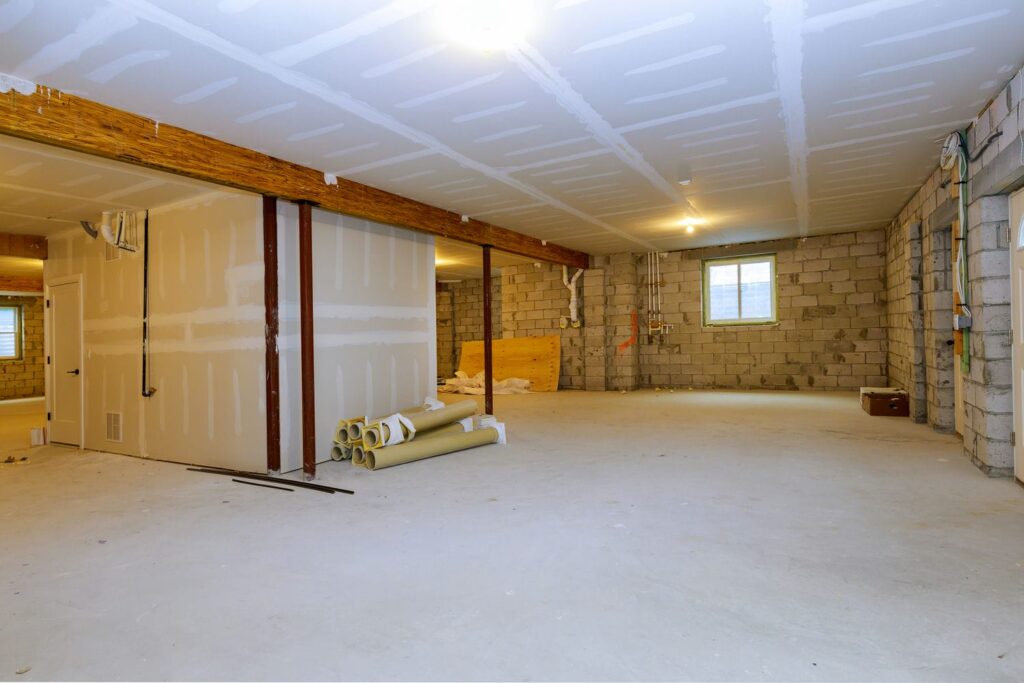
Asbestos And Lead In Older Basements: What To Check Before You Renovate
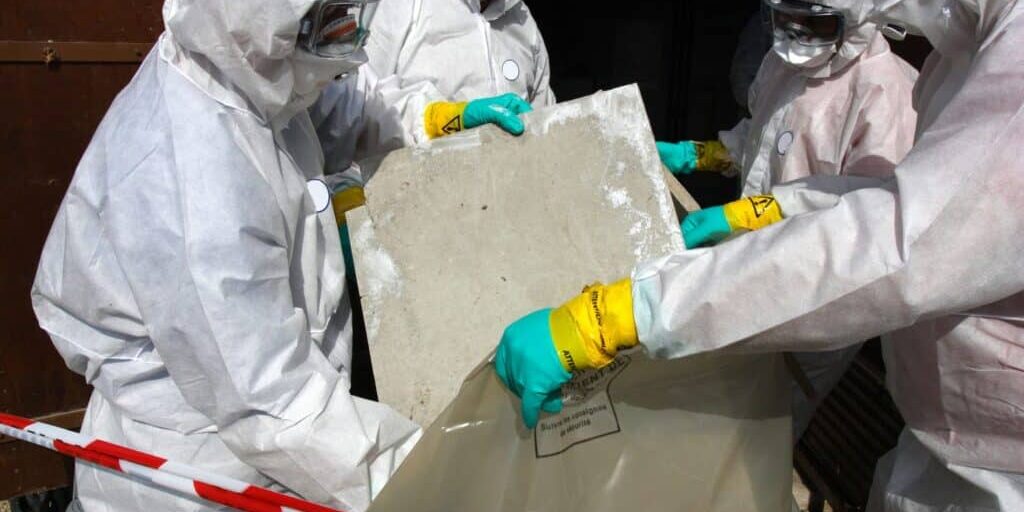
If your basement is older and you plan to cut, sand, scrape, drill, or demolish, you need to flag suspect asbestos and lead before work starts. The risk is not simply that the house is old. The risk is disturbing older materials without a plan. To map the job safely from day one, start with our basement renovation services.
A good rule is simple: screen first, then renovate.
Why Older Basements Need A Hazard Check Before Demo
Older basements often contain layers from different decades. One area may still have original finishes, while another was patched or updated halfway. That mix is why pre-demo screening matters more than guesses.
You are not trying to become a hazardous-materials expert. You are trying to avoid cutting into something that changes the whole job.
Renovation Is When The Real Risk Starts
Asbestos and lead become a renovation problem when work disturbs them. That can mean pulling old floor tile, opening a ceiling, scraping failing paint off stairs, cutting through patched plaster, or disturbing old wrap around pipes and ducts.
Health Canada’s guidance on the health risks of asbestos notes that fibres can be released during drilling, sawing, sanding, scraping, removing, and disturbing materials. The same agency’s advice on lead-based paint explains that disturbing it through repair or wear on doors, windows, stairs, and railings can create harmful dust.
What “Older” Usually Means For This Topic
For planning purposes, older usually means materials from the late 1980s or earlier deserve a harder look. The federal healthy home guide notes that homes built before 1991 may have lead-based paint, and that before 1990 asbestos was commonly used in materials such as insulation, floor or ceiling tiles, cement, and plaster.
That does not mean every older basement contains both hazards. It means age helps you decide what to flag before work starts. Age is the screening clue, not the diagnosis.
Why This Matters More In A Finished Basement Project
A finished basement hides mistakes well. Once you frame, insulate, drywall, and close ceilings, a bad call made during demo becomes harder and more expensive to fix.
That is the trade-off. A rushed tear-out can contaminate the work area, stall the schedule, and force you into containment, testing, and replacement work after trades were already lined up. In a basement, sequencing is part of safety.
Asbestos Vs Lead: What Homeowners Are Actually Screening For

Homeowners usually do not discover these issues because a lab result magically appears. They discover them because they are about to disturb an older material and stop long enough to ask the right question.
The question is not “Does my house definitely have asbestos or lead?” The better question is “Which materials in this basement are suspect before we start demo?”
Common Asbestos Suspects In Older Basements
In older basements, the common suspects are the materials you are most likely to break apart or remove during renovation. That includes old vinyl floor tile and mastic, pipe insulation or wrap, some duct insulation, textured ceiling products, plaster and patching materials, cementitious boards, and vermiculite insulation if any is exposed.
Federal health guidance notes that asbestos may still be found in older cement and plaster, floor and ceiling tiles, surface treatments such as drywall compounds and sealants, and insulation around hot water pipes and tanks. The same source advises homeowners to avoid disturbing suspect materials and to hire a professional to test before renovating or remodelling.
Common Lead Suspects In Older Basements
Lead is usually a paint problem in this context. Think old stair trim, painted doors and frames, window trim, railings, columns, baseboards, and older painted masonry or concrete coatings that will be scraped, sanded, or rebuilt.
Federal lead-paint guidance notes that some older homes in Canada may have lead-based paint, and that disturbing it on doors, windows, stairs, and railings can expose people to serious health risks. Houses built after 1990 should not contain lead paint, since consumer paints in Canada and the U.S. were virtually lead-free by then.
What You Should Not Try To Confirm By Eye Alone
You can suspect a material by age, location, and type. You cannot reliably clear it by looking at it and calling it “probably fine.” That is where homeowners and careless contractors get burned.
Visual screening is useful because it tells you what to test or treat cautiously. It does not tell you what is safe to cut into. Testing belongs before disturbance, not after the dust starts.
What To Check Before You Cut, Sand, Or Demo Anything
Before you price finishes, choose flooring, or argue about lighting, do a pre-demo walkthrough. This is where you find the materials that can change the whole scope.
A smart walkthrough is simple. You look for age, layers, planned disturbance, and any material that will create dust or debris when removed.
What Counts As A Suspect Material
A suspect material is any older basement material that could contain asbestos or lead and will be disturbed by the planned renovation.
That definition matters because an intact material you are leaving alone is a different decision than one you plan to drill, scrape, sand, or remove.
Room-By-Room Walkthrough Before Renovation Starts
Start at the floor. Old tile, tile adhesive, patches, and layered floor systems should be flagged before removal. Then look up at the ceiling, especially if you plan to open soffits, remove texture, or access old mechanical lines.
Next, inspect the mechanical room, stairs, trim, window areas, and any patched wall surfaces. Older basements often hide the most important clues in the ugliest corners. That is normal. The point of the walkthrough is not beauty. The point is scope control.
The Stop-Work Triggers
Pause the job and test or assess first if you see old floor tile slated for removal, damaged pipe or duct wrap, flaking old paint on stairs or trim, older textured ceiling finishes you plan to open, or any dust-heavy demolition in a pre-1990 basement.
This is the line we use in practice: when in doubt, stop before demo. It is cheaper to lose a day to testing than to lose weeks to a contaminated teardown.
Testing Before Renovation: The Safe Order Of Operations

Testing is not the annoying side task before the “real work.” In an older basement, it is part of the real work. It decides what happens first, who is involved, and whether your original budget still makes sense.
The safest order is simple: identify suspect materials, test or assess them properly, decide how they will be handled, then start demolition.
Asbestos Testing Before Basement Demo
If a material may contain asbestos and your renovation will disturb it, treat that as a pre-demo issue. Federal guidance advises homeowners to hire a professional to test for asbestos before renovating or remodelling, and to use a qualified asbestos removal specialist if asbestos is found.
Ontario’s guide to the regulation respecting asbestos on construction projects adds a process point that matters for renovation planning: before demolition, alteration, or repair, the owner must have a report prepared stating whether the material is asbestos-containing material, or whether the work will be performed as though it were.
Lead Testing Before You Sand Or Strip Paint
Lead testing belongs before prep work starts, not after someone has already sanded the trim. Federal guidance notes that lead paint can be checked by sending paint chip samples to a lab or by hiring a contractor with X-ray equipment to detect lead on painted surfaces.
This is where being practical matters. You do not need to test every painted surface in the basement. You need to test the ones the renovation will disturb.
Don’t Let Demo Become The Test
Demo-first is the expensive version of guessing. It creates dust, muddies responsibility, and forces decisions under pressure when everyone just wants to keep moving.
That is why older basements need a clearer sequence from the start. Reviewing our step-by-step basement renovation process before any selective demolition is booked helps anchor the order of operations.
If Results Are Positive, How The Renovation Plan Changes
A positive result does not automatically kill the renovation. It changes the order of work. That is a big difference.
The mistake is pretending positive findings are just a small note on the quote. They usually affect schedule, site protection, and who touches the space first.
Abatement Moves To The Front Of The Schedule
Once test results are positive, hazard handling moves ahead of general demolition and rebuild. The sequence becomes clearer: testing, hazard plan, removal or containment by the right specialist, clearance where required, then reconstruction.
That is not overkill. It is how you keep one problem from spreading into the rest of the house. In older basements, the cleanest job is the one that respects the order.
Removal Vs Leaving Material Alone Depends On Scope
Here is the nuance homeowners need. Federal health guidance says there are usually no significant health risks from asbestos-containing materials that are tightly bound, in good condition, and left undisturbed. The same source notes lead paint is sometimes safer left alone if it is not chipping, flaking, or within reach of children.
However, basement renovation changes that equation fast. If your scope includes sanding, drilling, demolition, or removal, the “just leave it” option may disappear. Scope drives the decision.
Budget And Timeline Will Change, But Guessing Costs More
Positive findings can add cost and time. That is the honest version. The better news is that known problems are easier to manage than surprise problems discovered mid-demo.
This is where transparent planning matters. A project that absorbs testing and hazard handling up front is still more predictable than a project that stops cold once suspect materials have already been disturbed.
Choosing The Right Contractor For An Older Basement
Older basements need more than a nice design and a demolition crew. They need coordination. Someone has to own the sequence from screening to rebuild.
That does not mean the contractor personally does every part. It means they know what happens first, who is responsible, and how the site stays controlled.
Questions To Ask Before Anyone Starts Work
Ask who identifies suspect materials before demo, who arranges testing, who handles hazard work if results are positive, how the rest of the home is protected, and how the quote changes if the scope gets wider. You are not being difficult. You are checking whether the contractor has a real process.
For a stronger shortlist, our 20 questions to ask your basement contractor cover scope, sequencing, and accountability before you sign anything.
Who Coordinates Testing, Abatement, And Rebuild
This is the part homeowners often miss. The risk is not just hiring the wrong abatement company or the wrong renovator. The bigger risk is poor handoff between the two.
Older basement work goes better when one person is accountable for the overall sequence. Testing should inform the scope. Hazard handling should clear the path. Then the rebuild should restart with everyone working from the same plan.
Why Inspections And Sign-Off Timing Matter After Hazard Work
Opening up older basements can change what inspectors need to see and when they need to see it. Once hazard work and selective demolition expand the exposed area, sequencing matters even more.
Reviewing what to expect at inspections during a basement renovation before work is booked too tightly will help align trade scheduling with inspector availability.
Other Basement Health Checks Worth Doing At The Same Time
Hazard screening should not stop at asbestos and lead. Older basements often have more than one hidden issue, and it is cheaper to line up the checks before finishes go in.
This is not about turning your project into an endless checklist. It is about solving the invisible problems before they become expensive finished-basement problems.
Hazard Screening Should Not Stop At Asbestos And Lead
Radon is the other pre-renovation health check worth doing while the basement is still accessible. It affects how you think about the space as a living area, not just a storage zone.
Folding radon testing and mitigation before renovation into the same pre-demo window makes sense, since the basement is most accessible while finishes are still off.
The 60-Second Hazard Table Before Renovation
When homeowners feel overwhelmed, a table helps. You do not need a perfect diagnosis to make a better first decision.
Use this as a quick screening tool. Flag what is suspect, note what the renovation will disturb, and decide whether work can proceed or needs testing first.
| Material / Location | Why It’s Suspect | What Disturbance Triggers Risk | What To Do Next | Can Renovation Proceed Yet? |
| Old floor tile and adhesive | Older flooring can contain asbestos | Breaking, grinding, scraping, full removal | Flag and test or assess before demo | No, not until assessed |
| Pipe wrap or duct insulation | Older insulation products may contain asbestos | Cutting, stripping, opening soffits, mechanical work | Stop and assess before mechanical or ceiling demo | No |
| Textured ceiling finishes | Older sprayed or textured products can be suspect | Scraping, sanding, removing ceiling sections | Test before opening or refinishing | No, not until assessed |
| Old painted trim, stairs, doors, railings | Older paint may contain lead | Sanding, scraping, stripping, demolition | Test surfaces that will be disturbed | Depends on results |
| Patched plaster or cement-based materials | Older compounds and patch materials can be suspect | Chipping, drilling, full wall or ceiling opening | Assess before demolition starts | Depends |
| Unknown layered finishes from past renovations | Mixed-age materials are harder to judge by eye | Any selective tear-out or dust-heavy demo | Flag first, then test strategically | No, not on guesswork |
The Bottom Line Before You Demo
Age and material type tell you what to flag. Testing and planned disturbance tell you what to do next. That is the whole logic of this page.
So the goal is not to panic over every old finish. The goal is to stop guessing before demolition makes the decision for you.
Plan The Safe Part First
A smart basement renovation starts with knowing what you are opening up. Yorkland Homes plans older basement projects with a transparent pricing contract model and a detailed and meticulously planned build schedule, so testing, specialty work, and rebuild sequencing are handled in the right order. We have been family owned since 2010, and you can ask us about our on-time money back guarantee and Limited Liability Insurance. To start the conversation, get in touch with our finished basement specialists.
Frequently Asked Questions
If suspect pre-1990 materials will be disturbed, asbestos needs to be addressed before demolition starts. Federal guidance advises hiring a professional to test before renovating or remodelling, and Ontario’s asbestos rules require an owner-side report or equivalent treatment decision before demolition, alteration, or repair when suspect material may contain asbestos.
Federal guidance notes that homes built before 1991 may have lead-based paint, and that before 1990 asbestos was commonly used in products such as insulation, floor or ceiling tiles, cement, and plaster, which makes pre-renovation screening more important even though it does not prove a hazard is present.
No. You can flag a material as suspect by age and type, but visual inspection alone should not drive demolition decisions, which is why older floor tile, pipe wrap, and ceiling materials deserve a pause for testing before anyone starts breaking them apart.
Sometimes intact lead paint can be left alone and painted over if the underlying leaded paint is not disturbed, but once your renovation scope includes sanding, scraping, cutting, or removal, that approach may no longer apply.
The usual suspects are old floor tile and adhesive, pipe wrap, duct insulation, textured ceiling finishes, patched plaster or cement-based materials, and older painted trim or stairs, with the risk rising whenever those materials will be disturbed by the planned scope.
Use qualified testing professionals rather than guessing on demo day; for lead, that means lab analysis of paint chips or a contractor with X-ray equipment, while your renovation contractor still matters because they should know which materials to flag before the testing team is called in.
They can, but identifying the issue before demo is still the cleaner and cheaper path: a planned pause is far easier to manage than contaminated demolition, emergency containment, and a schedule reset, since known problems can be sequenced while surprise problems usually spread.
Check out more posts below...

In-Law Suite Vs. Legal Rental In Newmarket: Which Fits?

Why Older Newmarket Basements Often Need Underpinning
What Newmarket Requires To Register A Basement Suite

Basement HVAC Basics: Return Air, Zoning, And Year-Round Comfort