
Foundation Cracks And Basement Finishing: What’s Normal And What’s Not
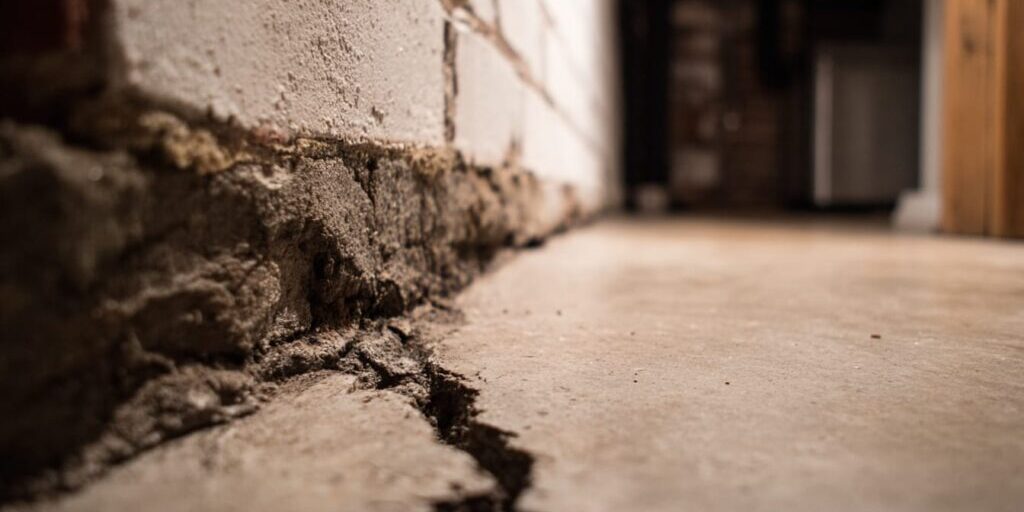
Some foundation cracks are normal concrete shrinkage. Others are warning signs of movement or water pressure. Before you finish a basement, you need to know which one you have, because drywall and flooring can hide problems until they get expensive. Working with experienced basement finishing professionals helps you plan a dry, inspection-ready space from the start.
Here’s the fast way to triage foundation cracks before basement finishing:
- Direction: vertical, diagonal, horizontal, stair-step, or slab
- Displacement: one side shifted, bulging, or bowing
- Moisture: staining, damp smell, efflorescence, or active leaking
- Change over time: widening, lengthening, or “new” cracks appearing
Why Foundation Cracks Matter More Once You Finish A Basement
Finishing is the point where a visible crack becomes a hidden system risk. A bare foundation wall gives you feedback. A finished wall system can trap moisture, conceal movement, and delay your response until damage spreads.
A finished basement is also more sensitive to air quality. If moisture starts behind a wall, you often notice it last through odour, comfort issues, and finally mould.
Finishing Turns Small Problems Into Hidden Problems
A crack you can see is a crack you can monitor. Once you frame, insulate, and drywall, you lose that visibility. You also reduce drying potential, especially if finishes sit tight to the foundation wall.
That matters because the “cost of being wrong” goes up. If a crack leaks after you finish, the fix is rarely just sealing. It can include removing finishes, drying cavities, replacing insulation, and addressing mould risk.
Non-Structural Cracks Can Still Cause Moisture Problems
Even a crack that is not structural can still act as a pathway for water and air. That means it can create damp pockets behind walls where mould grows quietly.
This is why we treat moisture planning as part of your finishing design, not a separate task. If your wall build-up traps moisture, it can fail even if the crack itself never moves.
Getting your vapour barrier done right is one of the most important steps in preventing trapped moisture behind finished walls.
The Two Big Buckets: Shrinkage Cracks Vs Movement Cracks

Most crack decisions get easier when you stop trying to “diagnose” and start trying to classify. For basement finishing, you mainly care about two buckets: cracks that are typically tied to curing and minor settling, and cracks that suggest ongoing movement or pressure.
This is not about panic. It’s about knowing when you can proceed, when you should monitor, and when you need a professional assessment before you close walls.
Quick Definition
Shrinkage cracks are commonly tied to concrete curing and minor settling and tend to stay stable over time. Movement cracks suggest ongoing pressure or structural movement and deserve closer review before basement finishing.
The key difference is not the word “crack.” It’s whether the crack is changing or letting moisture in.
What “Normal” Often Looks Like In GTA Basements
In many poured concrete basements, “lower concern” cracks are hairline, mostly vertical, and show no offset where one side sits proud of the other. They also tend to stay dry and look the same month after month.
Seasonal moisture changes can still make basements feel damp, especially in the GTA. That’s why “normal” also depends on what you see after heavy rain, thaw cycles, or long humid stretches. Stable and dry is the goal, not “perfect.”
What “Not Normal” Often Looks Like
Red flags include horizontal cracks, stair-step cracking in concrete block, cracks that widen over time, and cracks with displacement where one side shifts. Bowing walls and repeated dampness in the same area raise the urgency.
Use a simple stop-sign rule: if you see displacement, bowing, or active water, treat it as a priority issue before finishing. You can decorate later. You can’t easily rebuild a foundation wall later.
Crack Patterns Homeowners See Most Often
Crack direction is not a full diagnosis, but it’s a strong clue. It helps you decide whether to monitor, seal, improve exterior water handling, or escalate to a specialist.
The patterns below are the ones we see most often when homeowners start planning basement finishing.
Vertical Cracks
Vertical cracks are common in poured concrete walls. They often relate to shrinkage as the concrete cures, or minor settlement as the home “finds its place.” Many stay stable and never become a structural issue.
That said, a vertical crack can still leak. If you see staining, efflorescence, or dampness at the same spot after rain, treat it as a water-management problem, not a cosmetic one.
Diagonal Cracks
Diagonal cracks often show up near corners or openings where forces concentrate. They can relate to differential settlement, localized pressure, or movement around window wells and penetrations.
Your best homeowner move is to watch for change. If a diagonal crack grows, starts displacing, or pairs with sticking doors and new unevenness above, you should escalate the assessment before you finish around it.
Horizontal Cracks
Horizontal cracks deserve more caution. They can indicate lateral soil pressure pushing against the wall. Even if the crack looks “clean,” the risk is that pressure continues and the wall slowly bows.
If you have a horizontal crack, don’t treat basement finishing as the next step. Treat assessment as the next step. You want to know what’s driving the pressure before you build a finished space in front of it.
Floor Slab Cracks
Slab cracks are common. Concrete slabs shrink, and hairline cracking can happen even in well-built homes. The question for basement finishing is whether the slab crack stays dry and stable.
Pay attention to signs of heaving, unevenness, or recurring dampness. Flooring systems can trap moisture if the slab is wet, and that can show up later as odours, warped materials, or hidden mould at edges.
The Moisture Clues That Tell You A Crack Is Not Just Cosmetic

Moisture is the deciding factor for many basement finishing plans. Even if a crack is “normal,” moisture can turn it into a durability problem.
Treat water clues as data. Basements tell you the truth after storms and thaws.
Signs Of Active Water Entry
Look for water staining, damp smells after rain, flaking paint, efflorescence (a white, chalky deposit), or damp spots that repeat in the same place. Those signs usually mean water is finding a path, and cracks are a common path.
The City of Toronto’s basement flooding guidance lists foundation cracks and leaks as causes that can contribute to water entry, a reminder that small openings can turn into real problems.
If your basement already feels musty or clammy, addressing mould and dampness in basements before investing in finishes protects both the space and your health.
Condensation Vs Leakage
Condensation happens when humid air hits a cooler surface and drops moisture. Leakage happens when water moves through the foundation wall or slab. Both can leave you with wet materials behind finished walls, but the fixes are different.
A quick clue is timing. Condensation often correlates with high indoor humidity and temperature swings. Leakage often correlates with rain events, snow melt, or hydrostatic pressure periods. If you’re unsure, document the pattern before you build over it.
What To Do Before You Finish: A Practical Assessment Process

You don’t need to guess. You need a simple process that turns “I saw a crack” into a clear next step. The goal is to avoid finishing over uncertainty.
This is the part homeowners skip because it feels slow. It’s also the part that prevents the most rework later.
Document First, Then Decide
Start by documenting what you have. Take photos with dates, mark the location, and note the direction and approximate length. If you can, include a reference point like a ruler, tape measure, or even a coin.
Then watch how it behaves. Check after heavy rain, after a freeze-thaw swing, and after long humid stretches. A crack that stays dry and unchanged is a different decision than a crack that keeps evolving.
Stop/Go Checklist Before Framing
Use this as your go-no-go checklist. If you can’t answer a step confidently, pause finishing and solve the unknown first.
- Confirm the crack stays dry through different weather conditions.
- Check for displacement, bowing, or widening over time.
- Identify exterior drivers like downspouts, grading, and pooling water.
- Decide whether you need sealing, drainage work, or a structural review.
- Only then plan insulation, vapour control, and finishes.
Natural Resources Canada’s basement insulation guidance emphasizes addressing moisture and structural problems, including cracks, before you insulate, because insulation can hide problems and reduce drying potential.
Who Should You Call And When
Call a foundation specialist or structural engineer when you see displacement, bowing, horizontal cracking, stair-step cracking, or repeated water entry. Those signals point to pressure or movement that you don’t want to “finish over.”
Call your basement renovation contractor when the crack looks stable and dry, but you still need a smart finishing plan. A good contractor helps you choose wall assemblies and sequencing that reduce moisture risk and keep access sensible for future monitoring.
How Foundation Cracks Affect Your Basement Finishing Plan
Foundation cracks don’t just affect the foundation. They affect your wall build-up, material choices, and the long-term comfort of the space. That’s why the right answer is rarely “just patch it.”
Your finishing plan should match the foundation’s reality. Dry and stable supports more options. Damp and uncertain demands caution.
Insulation And Vapour Control Choices Depend On Dryness
Insulation works best in a dry system. If the foundation wall is damp, the wrong insulation and vapour control strategy can trap moisture behind finishes. That’s when basements start to smell “off” even when they look clean.
The right vapour barrier strategy should be a planning input, not an afterthought added after framing is complete.
Framing And Finishes Should Not Hide Unresolved Moisture
A finished wall should not become a sponge. If you frame tight to a damp wall and block drying, moisture has nowhere to go. It stays in the cavity, feeds mould, and eventually affects finishes.
Your best approach is to solve moisture sources first, then choose finishes that tolerate basement conditions. In practice, that means you don’t rush drywall just because the design looks good.
Indoor Air Quality Is The Canary In The Coal Mine
Basement air quality often tells you something before your eyes do. Musty odours, persistent humidity, and that “clammy” feeling can be early warnings that moisture is still present behind surfaces.
Properly managing humidity and air quality in basements is what separates a finished space that feels like living space from one that always feels like storage.
When Foundation Cracks Can Change Permits, Scope, Or Timeline
Some cracks are a small line item. Others can expand your scope fast. The difference is whether the crack points to movement, pressure, or a systemic water problem.
The best budget protection is sequencing. Fix first. Finish second.
Structural Repairs Can Expand The Project
If cracks suggest structural movement, the right solution can involve engineering review, foundation repair, and changes to your renovation plan. That can affect layout, framing, and sometimes how you run mechanicals and electrical.
This is also where timelines move. Structural and water-related work often needs time to complete and confirm stability before you invest in finishes. That delay feels painful, but it’s cheaper than finishing twice.
Plan For The Reality: Fix First, Finish Second
If you’re finishing a basement, assume the sequence matters: assess, repair, confirm dryness, then finish. That sequence is how you avoid tearing out new drywall because you discovered a leak after the fact.
If your crack situation changes the project scope, it can also change permit requirements. Knowing whether your basement renovation needs a permit early prevents surprises mid-project.
Crack Decision Table You Can Use In 60 Seconds
When you’re trying to decide whether to proceed with basement finishing, you don’t need a perfect diagnosis. You need a clear “monitor, fix, or escalate” decision.
Use the table below as a homeowner cheat sheet. If you’re unsure, treat uncertainty like risk and investigate before you close the walls.
| Crack Type / Pattern | What It Often Indicates (High-Level) | Risk To A Finished Basement | What To Do Next | Can You Finish Yet |
| Hairline Vertical (Dry, No Offset) | Shrinkage or minor settlement | Low to moderate | Document and monitor; seal if recommended | Often yes, after confirming dryness |
| Vertical With Staining Or Dampness | Water path through wall | Moderate to high | Address exterior water handling; assess sealing options | Not until moisture is solved |
| Diagonal Near Corners/Openings | Localized movement or pressure point | Moderate | Monitor for change; escalate if widening or offset appears | Depends on stability and dryness |
| Horizontal Crack | Possible lateral soil pressure | High | Get professional assessment before finishing | No, pause and assess |
| Stair-Step (Block Foundation) | Movement along mortar joints | Moderate to high | Assess for movement and moisture; escalate if active | Depends, often no until assessed |
| Slab Hairline (Dry) | Shrinkage in slab | Low to moderate | Monitor; plan flooring for basement conditions | Often yes, after confirming dryness |
| Slab Crack With Heaving/Unevenness | Movement or pressure below slab | High | Assess cause before flooring and framing | No, pause and assess |
Moisture And Movement Decide Urgency
Patterns guide your decision, but moisture and movement decide urgency. A “normal” crack that leaks is not normal for basement finishing. A “concerning” crack that stays stable may still need a smart plan before you build over it.
If you feel unsure after reading this, that’s your signal. Finishing a basement is a big investment. It’s smarter to spend a little time confirming dryness and stability than to spend a lot of money fixing hidden damage later.
How We Help You Finish Your Basement With Confidence
A good finished basement starts with a dry, stable foundation. We don’t build beautiful walls in front of hidden problems. We help you plan the sequence, confirm dryness, and choose assemblies that make sense for GTA basements.
Yorkland Homes works with a transparent pricing contract model and a detailed and meticulously planned build schedule. We’ve been family owned since 2010, and you can ask us about our on-time money back guarantee and Limited Liability Insurance. If you want a basement built to last, talk to our basement renovation experts.
Frequently Asked Questions
Yes, some cracks can be normal from concrete shrinkage or minor settling, especially hairline vertical cracks with no displacement. “Normal” still means you should document and monitor, not ignore. The risk rises when cracks change over time, show displacement, run horizontally, or show moisture.
If there’s any sign of moisture entry or movement, fix the cause before finishing. Finishing first often turns a manageable repair into demolition later. When in doubt, pause finishing until you’ve confirmed the foundation stays dry through rain and thaw cycles.
Cracks with displacement, horizontal cracks, stair-step cracking in block, and cracks paired with bowing walls or repeated dampness deserve professional assessment. Those patterns can point to pressure or movement that won’t improve once you drywall over it. A safe rule is this: if you can see a shift, treat it as higher risk.
Document it with dated photos and notes, then watch for changes across seasons and after heavy rain. A crack that widens, lengthens, or starts leaking is not one you should cover. If you’re seeing change, escalate to a specialist before you commit to finishes.
Sometimes, but you still need a plan. Confirm it’s stable and dry, then choose a finishing approach that doesn’t trap moisture against the foundation wall. Finishing over a “maybe” often becomes finishing twice.
Cracks don’t create mould on their own, but they can provide a moisture pathway. Moisture behind insulation and drywall is the real mould trigger, especially when air can’t circulate and drying can’t happen. That’s why moisture management is the foundation of a healthy finished basement.
A basement contractor can help you plan finishing details and sequencing. Structural movement or persistent water issues may require a foundation specialist or structural engineer. If you see bowing, displacement, horizontal cracking, or recurring water, don’t guess. Get it assessed before you finish.
Check out more posts below...
Does a Newmarket Basement Suite Need a Separate Entrance?

Finished Basement Without a Permit? Legalizing an Unpermitted Basement Renovation in Newmarket

What Newmarket Basement Apartments Rent For and What Drives the Rate
Can You Put a Kitchen in Your Basement? Ontario Rules Explained
Basement Backwater Valve Flood Prevention: What It Really Costs in the GTA