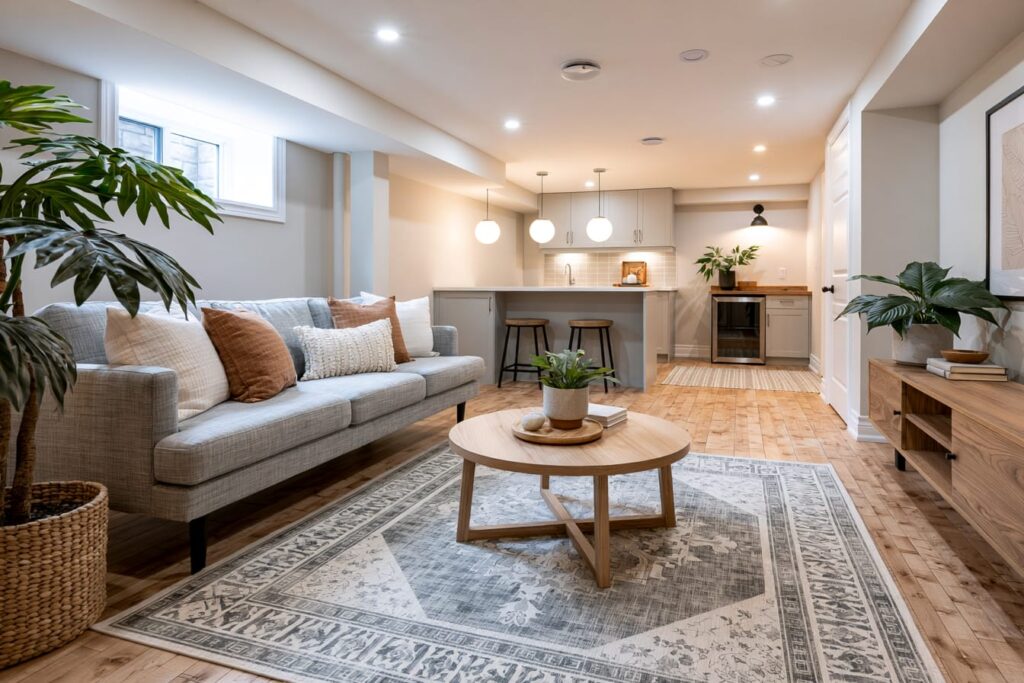
How to Choose a Basement Renovation Company: A 15-Point Checklist

To hire the right basement contractor, confirm three things up front: specialized basement experience, a clean plan for permits and inspections, and a transparent contract and schedule. Those three signals predict whether your project will be safe, compliant, and on time. The checklist below shows what to ask, what proof to collect, and how to compare quotes fairly.
Prefer a vetted, end‑to‑end team? Review our basement renovation services for scope, timelines, and pricing clarity. We manage permits and inspections from day one.
The Short List: What Separates a Good Basement Contractor from the Rest
A strong contractor treats basements as a specialty. Below‑grade work isn’t “just another room.” It involves egress sizing, moisture management, realistic headroom solutions, ventilation, and sound control. Ask to see recent GTA basements, then have them walk through the inspections each job passed. Proof matters more than promises.
Permits drive design decisions and the project calendar. A competent team shows a permit plan, inspection milestones, and how they reduce idle days on site. The City confirms that permits are required for most construction; applications are reviewed for Building Code and zoning. Treat permits as schedule‑critical, not as paperwork to “figure out later.”
Finally, the contract needs to be complete and readable. Scope, allowances, exclusions, payment timing, change‑order rules, and warranty all belong in writing.
Your 15-Point Basement Renovation Contractor Checklist
1) WSIB & insurance
Ask for current WSIB clearance and a certificate of liability insurance. Confirm the policy limits and expiry dates. Verify the company name matches the contract you’ll sign.
2) Licensed electrical contracting
Confirm the electrical work will be performed by a Licensed Electrical Contractor (LEC). Ask for the LEC’s legal business name and licence number, plus proof of ESA notifications and passed inspections from recent jobs.
3) Permit readiness
Ask who prepares drawings, submits the application, and tracks review comments. A strong contractor will show a sample permit set and a milestone list with framing, insulation, and final inspections. Permits should be built into the schedule, not handled “later.”
4) Written contract
Insist on a detailed agreement that defines scope, allowances, exclusions, payment schedule, and warranty. Make sure the change‑order process is written and requires your approval before work proceeds. Clarity now prevents disputes later.
5) Egress know‑how
Bedrooms need a code‑compliant escape path. Have them explain window or door sizes, window‑well drainage, and clear routes to grade. Ask for examples from past projects where inspectors signed off without rework.
6) Headroom solutions
Basements lose height to ducts and beams. Ask how they will re‑route services, compact bulkheads, or, if needed, coordinate underpinning. You want a layout that feels open without awkward drops.
7) Moisture control
Below grade, water management is non‑negotiable. Look for a subfloor system, vapour control, and details at penetrations and sill plates. Ask how they protect finishes if seasonal moisture appears.
8) Sound control
Good assemblies reduce noise transfer between floors. Listen for specifics like mineral wool, resilient channels, sealed penetrations, and solid‑core doors. Ask to see a typical wall‑ceiling section they use for media rooms or suites.
9) Transparent pricing
A clean quote lists allowances, calls out exclusions, and shows unit rates for common extras. That lets you compare bids fairly and spot lowball numbers. If numbers aren’t documented, expect price creep.
10) Build schedule
Request a simple Gantt calendar with inspection holds and float for corrections. Lead times for windows, electrical devices, and fixtures should be accounted for. The plan should show who is on site and when.
11) Change‑order process
Changes happen; the process matters. Require written COs with scope, cost, and time impact before work continues. Verbal approvals are how budgets go sideways.
12) Trade supervision
Know who runs the site day‑to‑day. Ask about daily check‑ins, cleanliness standards, and how issues are escalated. A named site lead keeps momentum and accountability.
13) Warranty & aftercare
Get the warranty terms in writing, including response times for service calls. Clarify what’s covered (labour and materials) and for how long. Ask for examples of post‑completion support.
14) Local references
Speak with 2–3 recent GTA clients whose basements match your scope. Ask about communication, schedule accuracy, inspection results, and aftercare. References beat marketing copy every time.
15) Portfolio fit
Review projects with similar finishes, constraints, and budget. Make sure they’ve solved problems like yours—egress, headroom, moisture, or sound—on paper and on site. You’re hiring their process as much as their look.
Score It Fast: Contractor Comparison Table
Use this table as a scorecard for your finalists. Print it and take notes during discovery calls and walkthroughs. If a contractor can’t provide proof for a row, pause and dig deeper. Your goal is a confident, like‑for‑like comparison.
| Criteria | What good looks like | Ask for proof |
| Permits & code | Permit plan and inspections mapped to milestones | Sample permit set; City guidance confirming permit needs. |
| Electrical | Work performed by a licensed electrical contracting business | Licence details tied to Ontario regulation. |
| Contract | Detailed, written scope and terms | Draft contract; change‑order form; provincial guidance. |
| Basement expertise | Egress, headroom, moisture, sound handled routinely | Drawings, specs, and inspection notes |
| Schedule control | Milestones with inspection holds and float | Gantt or build calendar; named site lead; inspection schedule. |
Red Flags That Usually Cost Homeowners Money
Vague scopes are the top risk. Thin allowances and long exclusion lists guarantee extras. Push for clarity before you sign. Clear scope saves money.
Permit avoidance is another red flag. If someone suggests “skipping permits to save time,” walk away. It creates safety, insurance, and resale issues. The City is explicit: permits are required for most construction and major renovations, and inspections confirm compliance at preset stages.
The last red flag is the low number paired with an aggressive schedule. Good trades and compliant materials cost what they cost. When a bid looks too good, scope is usually missing or inspection risk is hidden. Choose the estimate that holds up under questions, not the one that collapses.
Related Planning Reads
Design decisions drive compliance and comfort. If egress sizing is part of your plan, start with egress requirements for basements. If headroom is tight, our guide to increasing basement ceiling height explains the options and costs.
Permits shape your timeline and budget. Read do I need a permit to renovate my basement for the triggers and steps. For quieter media rooms and suites, review advanced soundproofing techniques for basements and discuss which assemblies fit your goals.

How Yorkland Homes Keeps Basements On Time and Code‑Clean
We treat basements as their own ecosystem. Our pre‑permit design phase resolves egress, headroom, ventilation, and moisture on paper, so you don’t pay to solve them on site. That plan translates into faster permits, fewer change orders, and inspections that move. The City’s inspection flow requires work to be visible at each stage; we schedule around that reality.
Our transparent pricing contract model lists allowances and unit rates, so you can forecast choices and avoid surprises. We share a detailed, meticulously planned build schedule with inspection holds and decision gates. You’ll know what’s happening each week and why.
We’ve been family‑owned since 2010, carry Limited Liability Insurance, and offer an on‑time money back guarantee. We coordinate permits, inspections, and licensed trades, so your basement is safe, compliant, and ready to enjoy.
FAQs
Yes. Ontario’s guidance recommends a written agreement for any renovation over $50. It should define scope, price, timelines, payment schedule, and how changes are handled.
A good contractor prepares drawings and applies on your behalf, though you remain the owner of record. The City explains permit requirements and plan review before work starts.
Ask for the electrical contracting licence details for the business performing the work. Ontario regulation prohibits operating an electrical contracting business without a licence.
At minimum: egress upgrades, headroom solutions, moisture control, ventilation, and sound management. Tie each to a milestone and inspection.
Normalize allowances, check exclusions, and ask for unit rates on predictable extras. Then score each contractor using the table above.
The calendar should show inspection holds and float for corrections. Toronto provides guidance on when to call for inspections and what must be visible.
Ready to Transform Your Basement?
At Yorkland Homes, basement renovations is what we specialize in. Review our basement renovation services and book a short consult. We’ll map a clean path to approvals and construction.
Check out more posts below...
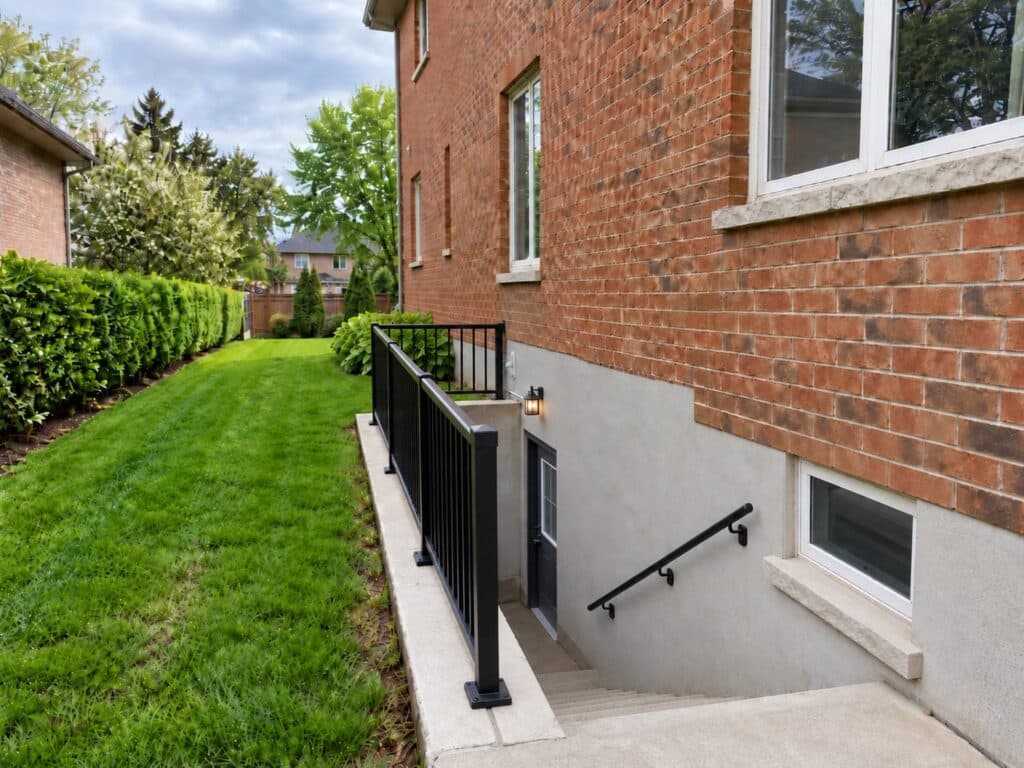
Does a Newmarket Basement Suite Need a Separate Entrance?
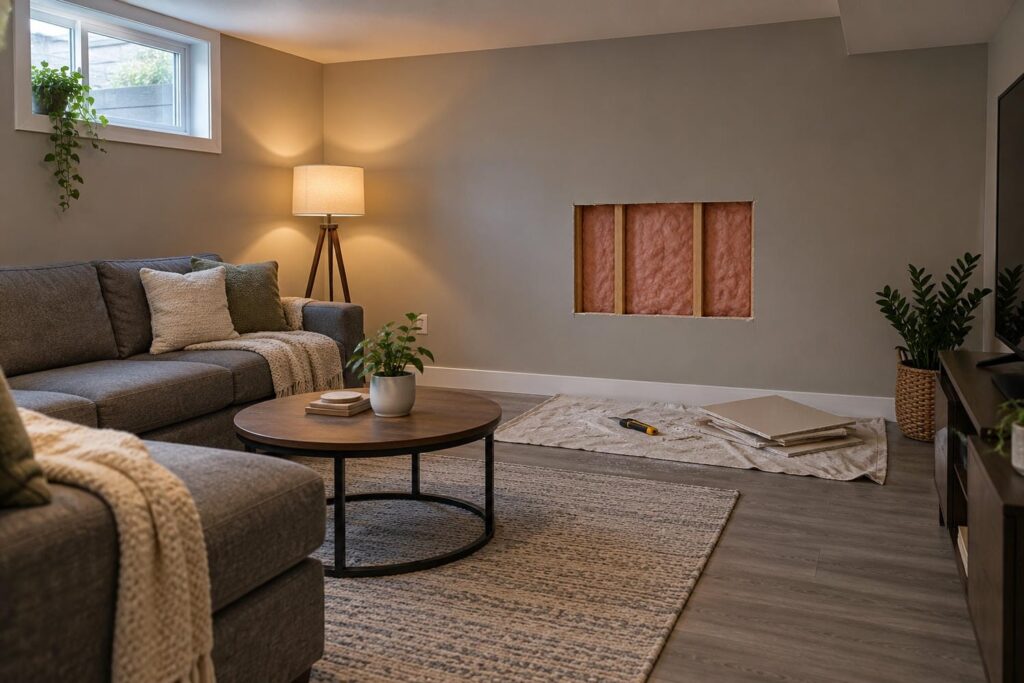
Finished Basement Without a Permit? Legalizing an Unpermitted Basement Renovation in Newmarket
What Newmarket Basement Apartments Rent For and What Drives the Rate
Can You Put a Kitchen in Your Basement? Ontario Rules Explained
Basement Backwater Valve Flood Prevention: What It Really Costs in the GTA