
Basement Beam Concealment & Post Removal Guide
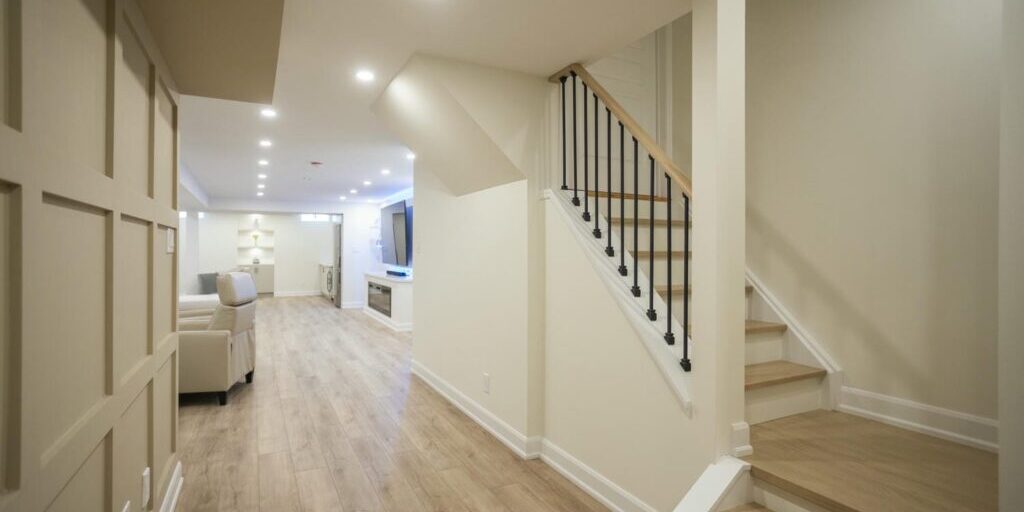
If you want an “open” basement, you usually have three real choices: conceal the beam, relocate a post, or replace structure with a new engineered plan. The right move depends on headroom, HVAC routing, and what’s actually carrying load. If you’re planning a finished basement and want a layout that works before framing begins, our basement renovation services can help you map the structure and ceiling plan into one clean scope.
Here’s the catch: most “open concept” basement plans fail because they chase a flat ceiling at any cost. That usually creates ugly bulkheads, awkward headroom, and a budget that drifts. Your goal should be simpler. Make the basement feel open where it counts, then make the structure disappear through good layout and details.
This guide is written for Greater Toronto Area basements, but the logic travels. You’ll learn what posts and beams do, how to choose conceal vs removal, how to avoid common mistakes, and what to expect on permits and inspections.
What Posts And Beams Do In A Basement
Posts and beams exist for one reason: they carry load. They transfer weight from the floor system above down to foundations and footings. Remove them without a plan and you don’t get “open concept.” You get sag, bounce, cracked finishes, and a project that stops midstream.
Basements also tend to be the place where structure shows up the most. Ducts hang below joists. Beams span long distances. Posts land right where you want your rec room couch. That’s normal, especially in older homes.
Your job is to respect the load path, then work the ceiling and layout around it. When you do, the basement can still feel clean and open.
How To Tell If A Post Is Structural
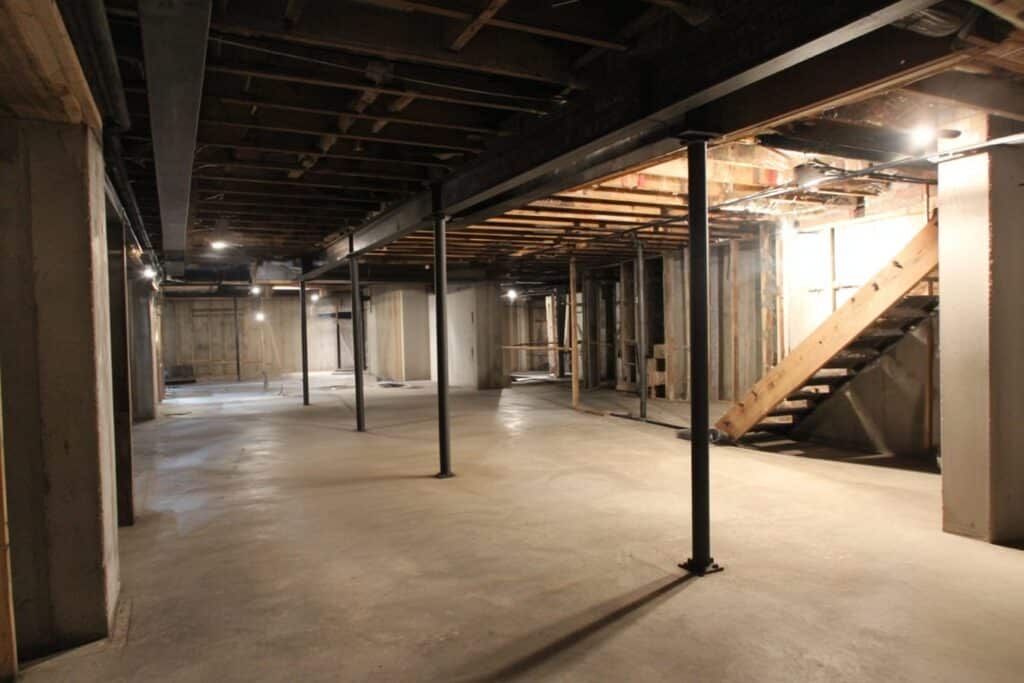
A post is usually structural when it sits under a beam, and that beam supports joists or another major load path. If you see a beam running across the basement with posts spaced along it, assume it’s structural until proven otherwise. Posts in the middle of the span, or aligned with a stack of walls above, also tend to matter.
That said, you can’t confirm structure by eyeballing one photo. Basements hide supports in pockets, bearing points, and built-up framing. The safe approach is to treat any post or beam as structural unless a qualified professional confirms otherwise.
If you’re considering removal or relocation, plan for an engineered approach when required. You’re not paying for paperwork. You’re paying for certainty.
Beam Types You’ll See In GTA Basements
In the GTA, you’ll commonly see steel I-beams, built-up wood beams, and LVL beams. You’ll also see beams that are “dropped” below the joists, which creates a natural soffit line. Some beams sit in pockets at the foundation wall, while others rely on posts and footings in the slab.
The beam type matters because it changes your options. Steel often allows slimmer structural solutions, but concealment details can be trickier. Wood and LVL can be easier to frame around, but may require more depth for the same span. Pockets and bearing points also affect whether you can move support locations.
Once you understand what you’re working with, you can choose the right strategy: conceal, relocate, or replace.
Remove Vs Conceal: The Decision That Saves You Money

Before you talk about “removing,” get clear on what you actually want. Do you want a cleaner ceiling line, a better furniture layout, or a wider walk path? Those are different goals, and they often have different price tags.
Concealment is usually the most predictable option. Removal or replacement can deliver a flatter ceiling, but it usually comes with more disruption and more variables. The best choice is the one that fits your goal and protects your headroom.
Use this simple filter: if a post blocks how you live in the space, relocate or replace might be worth it. If a beam only bothers you visually, concealment often wins.
When Concealment Is The Smart Choice
Concealment is smart when you want cost control and a faster path to a finished basement. A clean, intentional bulkhead can look “designed,” especially when it aligns with lighting and duct runs. You keep the structural system intact and focus your effort on finishes.
Concealment also reduces the risk of mid-project surprises. You’re not changing load paths or reworking footings. You’re building around what’s already there, with a plan for straight lines and consistent soffit depths.
Most basements don’t need a perfectly flat ceiling to feel open. They need a ceiling that looks intentional.
When Removal Or Replacement Makes Sense
Removal or replacement makes sense when structure blocks function. If a post lands in the middle of your main walk path, splits your rec room in half, or ruins the only logical TV wall, you may want to move it. In those cases, a small structural change can unlock a big layout improvement.
Expect this scope to be more involved. You may need engineering, permits, and temporary supports during the change. You’ll also need to coordinate with HVAC and electrical early, because those systems love to occupy the same zones as beams.
The goal is not “no posts.” The goal is “posts where they don’t hurt the room.”
When “Open Concept” Is A Trap
“Open concept” becomes a trap when it ignores basements’ real constraints: headroom, ducts, plumbing stacks, and budget. You can spend a lot of money chasing a flat ceiling and still end up with a basement that feels low because duct bulkheads end up everywhere.
A better target is selective openness. Make the main sight lines open. Keep the seating zone clean. Protect the main walk path height. Then use bulkheads as transitions where they make sense.
This is how you get a basement that feels open without fighting physics.
Layout-First Planning: Where You Want The Space To Feel Open
Start with the room plan, not the beam plan. Mark the rec room seating, the TV wall, the bar run, the gym zone, and the main walk paths. Once you know where you need clear space, you can decide which structure moves are worth it.
This approach prevents wasted money. It stops you from relocating a post that wasn’t actually in the way. It also helps you accept bulkheads where they don’t matter, like over hallways or along storage zones.
A simple exercise helps: tape the furniture footprint on the floor. Then stand at the bottom of the stairs and look across the room. That sight line is the one to protect.
Align Beams With Natural Breaks
A bulkhead looks clean when it sits where the room already changes. Align it over a corridor, over a bar edge, or along a wall line that defines a room. When you do, the bulkhead reads like architecture, not like a mistake.
Bulkheads also become easier to detail when they follow predictable geometry. Straight runs mean clean drywall lines, consistent trim, and lighting that lands evenly. Random jogs create the “why is this here” feeling.
If you want a beam to disappear, give it a job. Use it to define a zone, hide ductwork, or anchor lighting.
Coordinate With Stairs, Doors, And Headroom
Basements fail on headroom more than almost anything else. A post removal that looks good on paper can still create a bulkhead that kills clearance at the bottom of the stairs. Door swings, hallway paths, and shower zones also need clearance that you can’t negotiate.
Before you commit to any beam concealment plan, map your lowest points and protect the main circulation route. Then decide where you can “spend” ceiling height without making the space feel cramped.
If you’re already tight on height, start with your headroom options and constraints first, then circle back to beam concealment strategies. For a deeper look at increasing ceiling headroom, check out our guide.
Options To Open The Basement Without Compromising Structure
There are multiple “good” solutions, but each comes with trade-offs. You should compare options based on headroom impact, cost volatility, disruption, and future access. The “best” option is the one that matches your basement’s constraints and your real use case.
Also remember: basements are systems. The structure plan affects HVAC routes. HVAC routes affect bulkheads. Bulkheads affect lighting. Lighting affects how open the space feels. Choose the solution that supports the whole chain.
Below are the most common options we see homeowners consider.
Conceal The Beam With A Clean Bulkhead
A clean bulkhead does two things. It hides the beam and it creates a consistent ceiling line. The key word is consistent. You want one depth, straight runs, and planned transitions. When bulkheads change depth randomly, the ceiling looks messy and the basement feels lower than it is.
Bulkheads work best when you coordinate them with ducts and lighting. If you need to drop the ceiling in one zone anyway, make that drop do double duty. Hide the beam. Hide the duct. Run lighting cleanly. Then keep the rest of the ceiling plane as high as possible.
This option often delivers the best value because it improves the look without turning the project into structural surgery.
Wrap Posts As Design Features
Posts don’t always need to disappear. Sometimes they just need to stop looking like posts. Wrapping can turn a support into a column, a shelving edge, a bar return, or a built-in feature. Done well, it looks intentional and helps the room feel finished.
Here’s the catch: a wrap still needs symmetry and detail. You need to plan how it meets the floor, how trim returns, and how it aligns with nearby walls. A random box around a post often looks worse than the exposed post.
If a post sits near your bar or media wall, integrate it. Use it as a boundary line instead of fighting it.
Relocate A Post Instead Of Removing It
Relocation is often the sweet spot. You keep structure, but you move it out of the way. Shifting a post a few feet can open the rec room, fix a hallway pinch point, or allow a clean TV wall.
Relocation still counts as structural work. It changes load paths and often requires an engineered plan. It can also require a new footing or support detail depending on what sits under the slab. That’s why this decision belongs early, before you build around the existing layout.
If you want openness with fewer compromises, relocation is usually where you should start.
Replace A Dropped Beam With A Flush Beam
A flush beam can create a flatter ceiling plane because it sits within the joist depth instead of below it. That can make the basement feel taller and cleaner, especially in the main zone. It can also reduce the need for a big bulkhead running across the room.
The trade-off is disruption. Flush beams often require more invasive framing work. They can affect the floor above. They also demand careful coordination with ducts and plumbing, because you’re changing what space is available between joists.
If your main priority is a clean ceiling and you have the budget and scope to match, this can be the right move. If not, concealment often delivers a similar feel with fewer variables.
The Hidden Constraints: HVAC, Plumbing, Electrical, And Sound

Most basement ceiling mess comes from mechanical coordination, not from structure alone. A beam plan that ignores ductwork usually creates multiple bulkheads and a ceiling that feels chopped up. A beam plan that coordinates HVAC and electrical can look surprisingly clean.
Think of this as a “one ceiling” problem. You don’t want a beam bulkhead, a duct bulkhead, and a random plumbing chase all at different heights. You want one planned drop where needed, then a clean ceiling everywhere else.
If you solve these constraints early, the basement looks designed, not patched together.
Ductwork Conflicts And Bulkhead Planning
Ducts often run perpendicular to joists, which forces them below the framing. That’s why many basements have soffits even when the beam is hidden. If you plan these routes early, you can consolidate drops and keep the main room cleaner.
A good approach is to choose where you’ll accept a soffit, then route ducts through that zone. You trade a small area of lower ceiling for a larger area of clean ceiling. That’s usually how you make a basement feel taller overall.
If ducts are already installed, you can still plan around them. Just don’t pretend they don’t exist.
Plumbing Stacks And Future Access
Plumbing stacks and drain runs don’t disappear. They need chases, and they need access. If you box in a stack with no plan for service, you’re setting yourself up for future demolition. The goal is to keep stacks in logical locations like mechanical rooms, storage areas, or planned chases.
Chase planning also affects your layout. A stack chase can define a bathroom wall, a laundry zone, or a storage line. Used well, it supports the plan. Used poorly, it becomes an awkward bump-out in the middle of the room.
If you’re opening ceilings and moving structure, protect future access as part of the scope.
Sound Control When You Box In A Beam
Bulkheads and chases can transmit sound if you build them like drums. Air gaps, hard connections, and unsealed penetrations allow noise to travel. That matters in basements where rooms sit close together and the ceiling ties into the floor above.
You don’t need extreme soundproofing for every project. You do need basic smart details: insulation where it fits, sealing penetrations, and avoiding unnecessary rigid connections. These small steps can reduce the “every footstep is loud” feeling.
If you want deeper sound control options for basement ceilings and chases, use this guide as a follow-up.
Permits, Engineering, And Inspections In The GTA
Structural changes are not a guessing game. If you’re modifying beams or removing posts, you should expect engineering and a permit path in many cases. The exact requirements depend on your municipality and scope, but the pattern is consistent: changing structure triggers review.
This isn’t about fear. It’s about protecting you. Permits and inspections create a record that the work was reviewed and executed in a safe sequence. They also reduce the odds of rework during resale or insurance questions.
If you’re planning a basement finish, this is why structure decisions belong early. They set the entire schedule.
When Structural Changes Usually Require A Permit
Structural alterations typically require permits and inspections. That includes modifying load-bearing elements like beams and posts, and it can include altering floor framing. Even if you’re not in Toronto, the City of Toronto permit guidance provides a useful public reference for when permits are generally required for building work.
The practical takeaway is simple: confirm the permit path before you start removing anything. If you need engineering, get it early so you can design the beam plan around real constraints.
This is also where your contractor’s process matters. A contractor who shrugs at permits is a contractor who creates risk for you.
How Inspections Affect Your Basement Schedule
Inspections create “hold points.” You can’t close walls and ceilings until the inspector signs off on the hidden work. That means structural changes, rough-ins, and bulkhead framing should be sequenced in a way that keeps inspections smooth.
A clean schedule starts with structure, then rough-ins, then insulation and drywall. When you reverse that, you create rework. This is why we treat the ceiling plan as part of the early design, not a finishing detail.
If you want to see how we sequence basement projects around approvals and milestones, this step-by-step guide shows the typical order.
Permits Change Fast, So Verify Your Scope Early
Structural changes often come with permit and inspection requirements, and the trigger isn’t always obvious until the scope is on paper. The safest move is to confirm your exact plan with your municipality before you start demo.
If you want a clear baseline on what typically requires approval in a basement renovation, here’s our guide on permits for basements.
Basement Beam And Post Options Compared
Use this table to compare options quickly before you fall in love with a rendering.
| Option | Best For | Watch-Outs |
| Conceal Beam With Intentional Bulkhead | Predictable cost, clean look, minimal structural change | Needs consistent depth and planned lighting to avoid a “patch” look |
| Wrap Posts As Design Features | Posts that don’t block circulation, especially near bars or built-ins | Needs symmetry, trim planning, and clean transitions to look intentional |
| Relocate A Post To Improve Layout | Posts that block key paths or break the room in half | Still structural work; may require engineering, permits, and new support details |
| Replace Dropped Beam With Flush Beam | Clean ceiling plane in the main living zone | More invasive; impacts framing and requires strong trade coordination |
| Full Removal With Engineered Replacement Beam | Highest priority on openness and layout freedom | Highest cost and complexity; must plan temporary support and inspection holds |
Step-By-Step: A Structure-Smart Sequence To Open A Basement
If you want the basement to feel open and still be safe, follow a clean sequence. Most mistakes happen when people jump to demolition before they’ve defined the goal or confirmed feasibility.
This sequence keeps the project predictable and reduces rework. It also makes trade coordination easier, which matters when you’re working in tight basement space.
1) Define The Layout Goal And “Open Zones”
Decide where openness matters most. For most basements, that’s the main rec room sight line, the seating zone, and the main circulation path. Secondary zones like storage, laundry, or hallways can tolerate a bulkhead more easily.
Mark furniture and walk paths on the slab. If a post sits inside your couch footprint, it matters. If it sits inside a storage corner, it may not. This prevents “expensive openness” where it doesn’t add value.
Once you define the open zones, you can choose the right structural strategy instead of guessing.
2) Confirm Structure And Feasibility
Confirm beam type, post locations, spans, and how loads transfer. Then map the constraints: duct runs, plumbing stacks, electrical routes, and headroom pinch points. This step tells you whether concealment will look clean, or whether a post move is worth it.
You don’t need to do calculations yourself. You do need someone to confirm what’s structural and what changes are feasible. This is where engineered guidance becomes valuable when structure is changing.
Feasibility is not a vibe. It’s a plan tied to the actual house.
3) Engineering And Permits If Required
If you’re changing structure, get the engineered plan and confirm the permit path before work begins. This keeps the schedule honest and avoids stop-work surprises. It also helps you design the ceiling and bulkhead plan around approved details.
Permits and inspections aren’t optional “nice-to-haves” when you’re moving load-bearing elements. They’re part of the scope, and they should be treated like any other milestone.
When you handle this early, the build phase becomes execution, not improvisation.
4) Temporary Supports And Safe Demolition
Temporary supports exist to keep the house stable while you change the structural system. This is where you protect against movement and damage while a beam or post gets modified. Done right, it looks controlled and boring.
Do not treat this as a weekend DIY scope. Structure work has real risk, and the consequences show up upstairs. If you’re paying for a finished basement, protect it by doing structure work with proper supports and sequencing.
Safety is also schedule control. A stable site keeps everything moving.
5) Install New Structure And Coordinate Trades
Install the new beam or post configuration, then coordinate rough-ins around the new ceiling plan. This is where you decide how ducts will route, where chases will land, and what bulkheads will hide. Good coordination prevents a ceiling full of random drops.
This is also when you confirm future access points. If you’re building chases, plan access panels and clean routes now, before insulation and drywall.
The best basements feel calm because nothing is “boxed in by surprise.”
6) Build Concealment Details And Finish Cleanly
Frame bulkheads intentionally. Keep them straight. Keep the depth consistent. Then air seal and add basic sound control where it matters. This prevents drafts and reduces noise transfer through the new ceiling geometry.
Finish lines make the difference. Clean drywall corners, planned lighting, and consistent trim turn a bulkhead into a design feature. Sloppy finishing turns it into an apology.
A clean concealment detail makes a structural constraint disappear.
Work With Yorkland Homes To Open Your Basement The Right Way
A basement only feels open when the structure plan and the ceiling plan agree. If you treat beams and posts as part of the design, you can get clean sight lines without risky shortcuts or random bulkheads.
We design first, then build. You get a transparent pricing contract model, a detailed build schedule you can track, and a team that’s been family owned since 2010. Ask us about our on-time money back guarantee when you’re comparing timelines. If you want help planning your basement layout around structure and headroom, check out our basement renovation services in the Greater Toronto Area.
Frequently Asked Questions
Sometimes, but only with a real structural plan. Posts usually carry load from the floor above to the foundation. If you remove one, you need an engineered replacement strategy that safely transfers that load elsewhere. If your post blocks layout, consider relocation first. It often solves the problem with less disruption than full removal.
If it supports a beam that carries joists or aligns with bearing lines above, treat it as load-bearing until proven otherwise. Visual clues help, but they don’t confirm structure. The safe answer comes from a site review and, when changes are planned, an engineered approach. Don’t guess based on “it looks small.”
Boxing in a beam with a clean bulkhead is usually more predictable and less disruptive. Replacing or reconfiguring structure can cost more because it involves engineering, temporary supports, and more trade coordination. That said, replacement can be worth it if it unlocks the layout you actually want. The right comparison is cost versus function, not cost versus ego.
In many cases, yes, because you’re changing structural elements. Requirements vary by municipality and scope, so confirm early rather than assuming. Toronto’s permit guidance is a helpful public reference point for when permits are generally required for building work.
Sometimes. A flush beam can reduce or eliminate a dropped beam line, which can create a cleaner ceiling plane. It’s not always practical, and it can require more invasive framing work and tighter trade coordination. If your basement is already tight on height, compare flush beams against other headroom strategies before committing.
It can if the work isn’t designed and supported properly. Even small movement can lead to drywall cracks, floor bounce, or squeaks. That’s why temporary supports and an engineered plan matter. Done correctly, structural changes can be safe and controlled. Done casually, they can create costly issues that show up later.
Often, yes, and it can be the best compromise. Relocation can improve layout without the full complexity of “no posts.” You still need a structural plan because you’re changing load paths. If your goal is a clean walk path and a better rec room layout, relocation is usually worth exploring early.
Make the bulkhead intentional and keep it consistent. Align it with a hallway, a zone change, or a duct run. Then keep the main ceiling plane as high and clean as possible. Lighting helps too. When the bulkhead includes planned lighting, it reads like architecture instead of a patch.
Check out more posts below...
Does a Newmarket Basement Suite Need a Separate Entrance?

Finished Basement Without a Permit? Legalizing an Unpermitted Basement Renovation in Newmarket

What Newmarket Basement Apartments Rent For and What Drives the Rate
Can You Put a Kitchen in Your Basement? Ontario Rules Explained
Basement Backwater Valve Flood Prevention: What It Really Costs in the GTA